Quick Answer: Households with children spread illness faster than any other setting, mostly through schools and nurseries. Consistent handwashing habits, staggered vaccination schedules by age, and a clear household policy on when a sick child stays home make the biggest measurable difference in how much illness circulates through a family each winter.
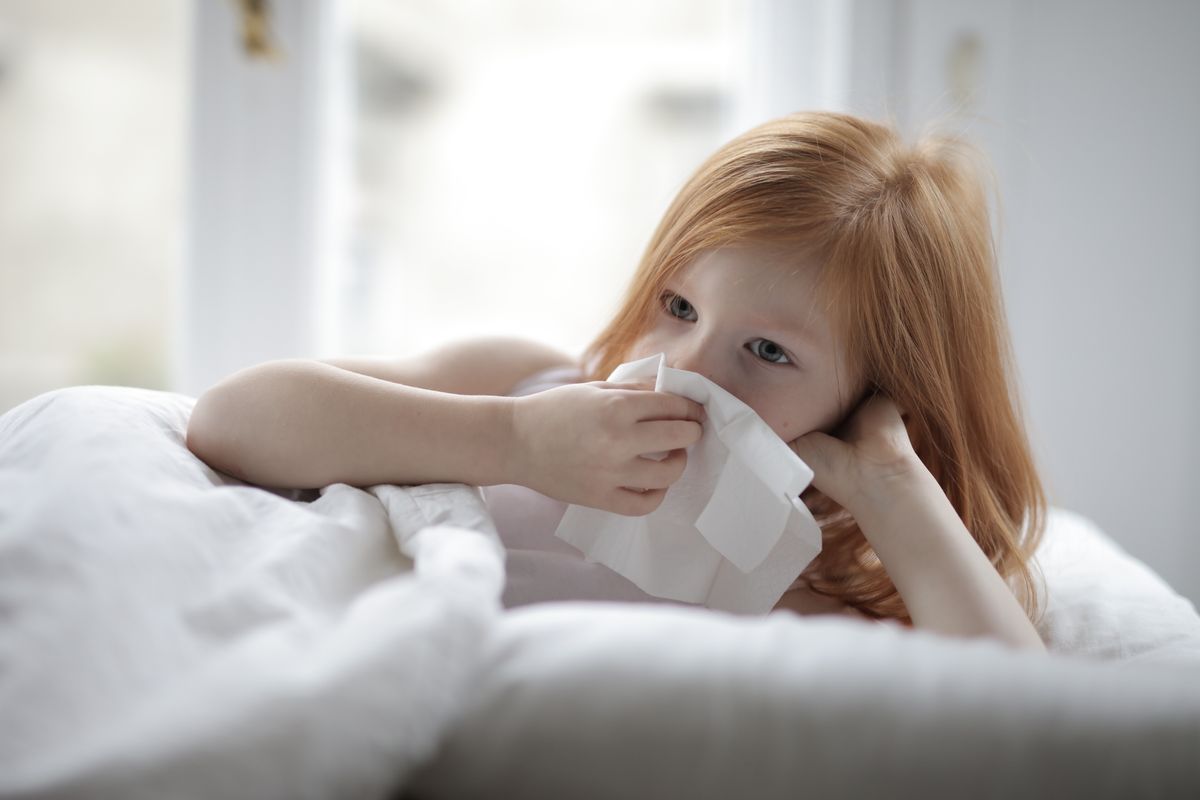
Anyone with school-age children knows the particular rhythm of a typical winter — one child brings something home, it moves through every sibling in sequence, then works its way through the parents just as the first child recovers. It can feel less like occasional bad luck and more like a permanent seasonal fixture.
Some of that spread is genuinely hard to avoid entirely — schools and nurseries are, structurally, efficient environments for passing illness between children. But there’s more a household can do than it might seem, and most of it is considerably less complicated than it sounds.
Why Households With Children Spread Illness Faster
Young children have less developed hygiene habits and considerably more close physical contact with peers than adults typically do, both of which contribute to schools and nurseries being genuinely efficient settings for viral spread, particularly for common respiratory illnesses during colder months.
Once a virus enters a household, close living quarters, shared bathrooms, and inevitable physical contact between family members mean it often moves through everyone in turn, rather than staying contained to the person who brought it home — which is exactly the pattern most parents recognise all too well by the second or third winter of school attendance.
Handwashing Habits Worth Actually Building
Handwashing immediately after school or nursery pickup, before meals, and after using the bathroom covers the highest-value moments, and making this a consistent, non-negotiable household routine — rather than an occasional reminder — meaningfully reduces how often illness actually takes hold once it’s been brought into the house.
For younger children, making handwashing genuinely engaging rather than a chore — a song that lasts the right twenty seconds, a favourite scented soap, letting them choose their own hand towel — improves consistency considerably more than simply instructing without making the habit itself appealing.
Also Read: Seasonal Illness Prevention: What Actually Works vs What’s Myth
Vaccination Scheduling Across a Household
The NHS childhood vaccination schedule is designed around specific ages for good immunological reasons, and staying on schedule matters more than most parents realise, since delays can leave a genuine window of vulnerability during exactly the ages when certain illnesses are most dangerous.
Flu vaccination is worth particular attention for households with young children, older relatives living with or visiting regularly, or anyone with an existing respiratory condition, since the flu jab is offered free to eligible children in the UK specifically because children are both more likely to catch flu and more likely to spread it onward to vulnerable family members.
Deciding When a Sick Child Should Stay Home
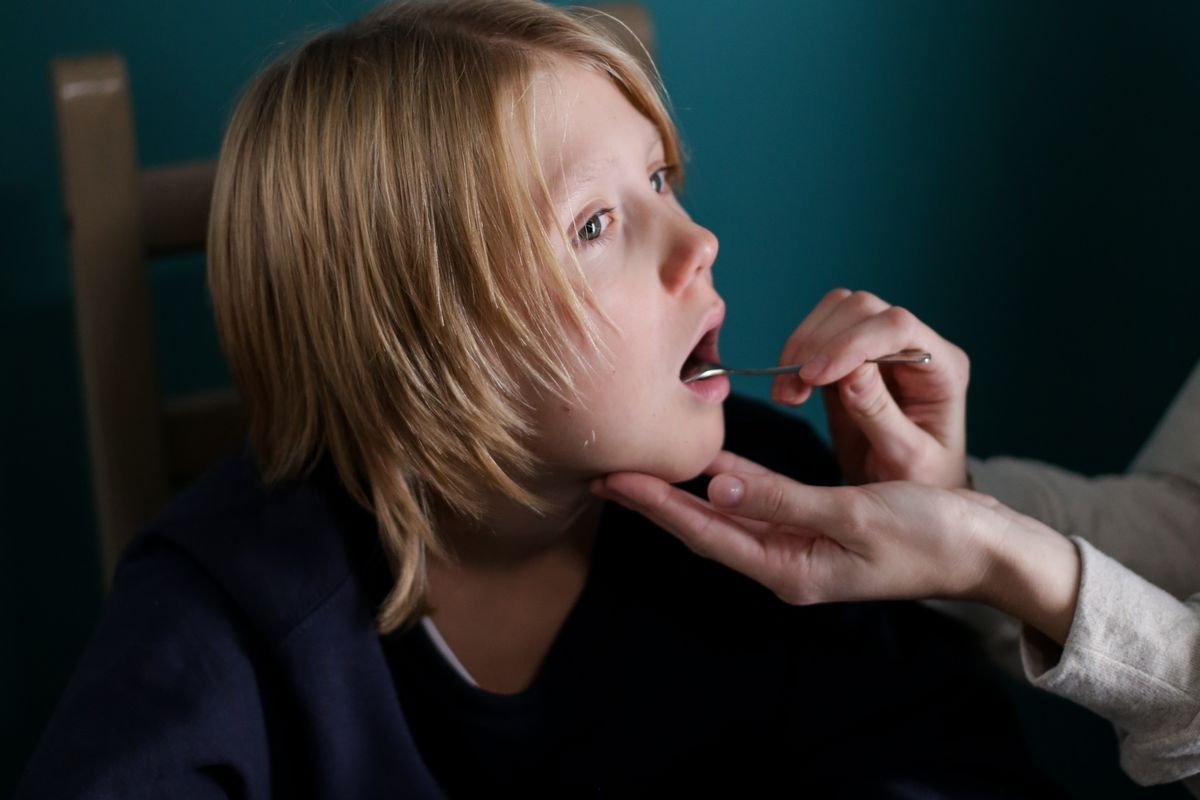
A clear, consistent household policy — rather than a judgement call made fresh each time under time pressure — genuinely helps here. General guidance suggests keeping a child home with a fever, vomiting, or diarrhoea until at least 24 hours symptom-free, and following school-specific guidance for things like chickenpox or conjunctivitis, which often have their own recommended exclusion periods.
It’s worth acknowledging the practical tension here directly — work pressures make this decision genuinely harder than the guidance suggests, and having a backup childcare plan in place before it’s actually needed removes some of the pressure to send a child in slightly too soon, which is often exactly how illness continues circulating through a school or nursery setting.
Also Read: Common Childhood Illnesses: What’s Normal, What’s Not
Supporting the Whole Household’s Immune Resilience
Consistent sleep across the household, adequate nutrition, and general stress management all play a genuine, if less dramatic, supporting role in how well a family collectively handles the inevitable exposure that comes with school terms and winter months.
This isn’t about eliminating illness entirely, which realistically isn’t achievable in a household with school-age children — it’s about reducing frequency and severity where possible, and having a reasonable, low-stress system in place for when illness does inevitably arrive, rather than treating each occurrence as an emergency to be prevented at all costs.
Managing Illness Fairly Across Siblings
When one child is sick and others aren’t, a common source of household strain is the well siblings feeling neglected while attention shifts entirely to the unwell one — a brief, deliberate check-in with well siblings, even a short one, helps prevent the resentment that can otherwise build during an intense few days of caring for a sick child.
It’s also worth having a low-effort, pre-decided plan for keeping well siblings occupied and, ideally, at reduced exposure risk — a trusted relative, a simple activity that doesn’t require close parental attention — since the parent managing a sick child genuinely has limited capacity for anything beyond that during the most intense days.
Also Read: Building a Family Wellness Routine That Actually Sticks
When to Actually See a Doctor
Most seasonal illness in an otherwise healthy family resolves with rest and home care, but certain signs warrant a GP visit regardless of how mild the illness initially seemed — persistent high fever unresponsive to medication, difficulty breathing, unusual lethargy, or a rash that doesn’t fade under pressure (the tumbler test) are among the more commonly cited reasons to seek medical advice promptly rather than waiting it out.
For very young infants specifically, the threshold for seeking medical advice is understandably lower — any fever in a baby under three months old is generally considered worth a same-day medical assessment, given how quickly illness can progress in very young children compared with older siblings.
Household Illness Prevention Priorities
| Action | Who It Matters Most For | Frequency |
|---|---|---|
| Handwashing after school/nursery | All children | Daily, every pickup |
| Flu vaccination | Children, elderly relatives | Annually |
| Clear sick-day policy | Whole household | Established in advance |
| Consistent sleep schedule | Whole household | Nightly |
Key Takeaways
- Schools and nurseries are structurally efficient environments for illness spread, making household prevention habits more, not less, important.
- Consistent handwashing at key moments — after pickup, before meals — meaningfully reduces how often illness takes hold in the home.
- Staying on schedule with childhood vaccinations, including the free annual flu jab, protects both the child and vulnerable household members.
- Having a clear, pre-decided sick-day policy reduces the pressure to send an unwell child to school under time constraints.
- General household resilience — sleep, nutrition, reduced stress — plays a genuine supporting role, even though illness can’t be eliminated entirely.
Conclusion
There’s no version of family life with school-age children that avoids seasonal illness altogether, and it’s worth releasing the expectation that a truly airtight prevention system exists. What’s realistic is meaningfully reducing frequency and severity through a handful of consistent habits, and having calm, pre-planned systems for the illness that does inevitably arrive, rather than treating every cold as an avoidable failure.
Frequently Asked Questions
How long should a child stay home after a fever breaks?
General guidance recommends waiting until a child has been fever-free for at least 24 hours without medication before returning to school or nursery, though specific illnesses may have their own recommended exclusion periods.
Is it worth getting the whole family vaccinated against flu, not just children?
Household-wide flu vaccination, where eligible, reduces overall circulation within the home and offers meaningful protection for anyone in the household at higher risk from flu complications.
Why does illness seem to spread to every family member eventually?
Close living quarters, shared spaces, and the kind of physical contact that happens naturally within families make it genuinely difficult to fully contain an illness once it enters the household, even with reasonably good hygiene habits.
What’s the most effective single habit for reducing illness spread at home?
Consistent handwashing at key moments, particularly straight after school or nursery pickup, is generally considered one of the highest-value, lowest-effort habits available for reducing household illness transmission.
Should siblings be kept apart when one is sick to avoid spreading illness?
Complete separation is rarely practical in most households, but reasonable measures like separate towels, regular handwashing, and avoiding shared cups or cutlery can meaningfully reduce, though not eliminate, transmission between siblings.
How do I know if my child’s fever needs medical attention?
A fever that responds to medication and is accompanied by otherwise normal behaviour is generally less concerning than a persistent high fever with lethargy or breathing difficulty, and any fever in a baby under three months old warrants prompt medical assessment regardless of how the baby otherwise seems.
Is it normal for a family to get sick multiple times each winter?
Yes, households with school-age children commonly experience several rounds of minor seasonal illness across a typical winter, largely due to the concentrated exposure that comes with regular school and nursery attendance.