Quick Answer: A genuinely useful family emergency plan covers four things: a designated meeting point, an out-of-area contact person everyone knows to call, basic supplies for 72 hours, and a plan specific to each family member’s needs, including pets and anyone with medical requirements. Practising the plan once makes it considerably more likely to actually work when needed.
Emergency preparedness has a way of feeling like something other people do — families who live somewhere more disaster-prone, or people who are just naturally more organised than the rest of us. In reality, most emergencies that actually disrupt a family’s life are fairly mundane: a power outage, a local evacuation notice, a sudden need to leave home quickly for any number of reasons.
This is a practical framework for building a plan that doesn’t require turning a spare room into a bunker, just a few deliberate decisions made in advance, when there’s time to think clearly, rather than scrambled together during an actual emergency when there isn’t.
The Meeting Point: Simpler Than It Sounds
A designated meeting point gives every family member a clear, agreed destination if an emergency happens while everyone’s in different places — work, school, errands — and phone networks are down or overloaded, which genuinely happens during significant local emergencies.
Two meeting points are worth establishing: one near home for something that affects just your house (like a fire), and one further away for something affecting the whole neighbourhood (like a wider evacuation). A trusted neighbour’s house works well for the first; a relative’s home or a specific public location works for the second.
The Out-of-Area Contact Person
During a significant local emergency, local phone lines are often overwhelmed even when they’re technically working, but calls to someone outside the affected area frequently go through more reliably. Designating one trusted person who lives elsewhere as the family’s central point of contact means everyone can check in with one person rather than trying repeatedly to reach each other directly.
Make sure every family member, including children old enough to understand, knows this person’s name and phone number, ideally memorised rather than only saved in a phone that might lose power or signal.
Also Read: Managing Family Health Records: A Simple System
Basic Supplies: The 72-Hour Standard
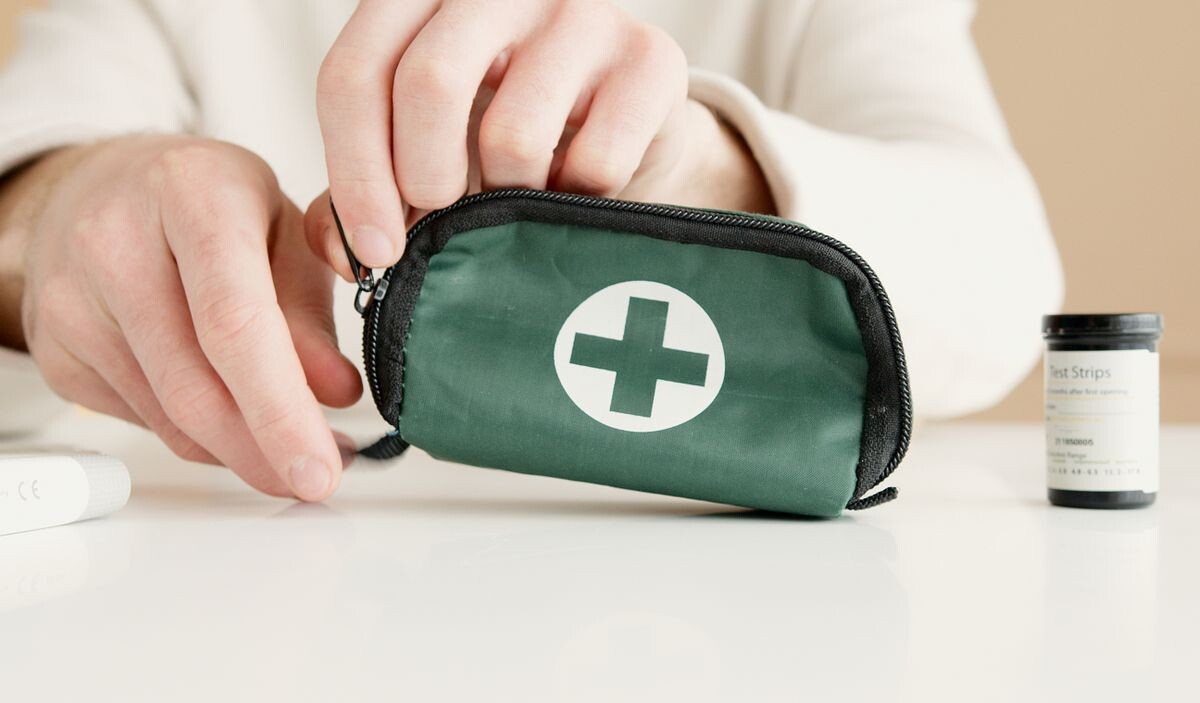
Most emergency preparedness guidance centres around being self-sufficient for 72 hours, since this covers the most common gap between an emergency starting and organised outside help or services becoming available. Water (roughly one gallon per person per day), non-perishable food, a basic first-aid kit, and a battery or hand-crank radio cover the core of this.
A portable phone charger or power bank, cash in small denominations (card payment systems can fail during power outages), and copies of essential documents (ID, insurance information, medical records) in a waterproof bag round out a genuinely functional kit without requiring anything elaborate or expensive.
Accounting for Individual Needs
Anyone with a regular medication needs a clearly labelled, accessible supply as part of the emergency kit, along with a written list of dosages, since pharmacies may not be accessible during a significant disruption. The same applies to any specific medical equipment someone in the family depends on daily.
Pets are easy to overlook in emergency planning, but they need their own supplies — food, water, any medication, and a carrier or leash kept accessible — plus a plan for where they’d go if the family’s designated shelter doesn’t accept animals, since this is a genuinely common gap in many emergency shelters.
Infants and very young children need supplies scaled to their specific needs — formula, nappies, any specific comfort items — and it’s worth rotating these supplies periodically as a child grows, since needs change faster at this age than the rest of a standard emergency kit.
Also Read: How to Choose the Right Health Insurance for Your Family
Practising the Plan
A plan that exists only on paper is considerably less reliable than one that’s been practised at least once, even informally — walking through the meeting point locations together, having children practice reciting the out-of-area contact’s number, and briefly reviewing where supplies are kept.
Revisiting the plan every six months or so, particularly after any family change (a new address, a new school, a change in a family member’s medical needs), keeps it genuinely current rather than becoming an outdated document that doesn’t reflect the family’s actual current circumstances.
Keeping Children Informed Without Causing Unnecessary Fear
Involving children in age-appropriate parts of emergency planning, like learning the meeting point or practising reciting the contact number, tends to reduce anxiety rather than increase it, since understanding there’s a clear plan provides a sense of security that vague awareness of ‘bad things that could happen’ doesn’t offer.
Framing conversations around preparedness rather than danger — ‘here’s what we do if’ rather than dwelling on worst-case scenarios in detail — keeps the planning process genuinely useful without turning it into something that creates ongoing worry, particularly for younger children who may not yet have the context to process more detailed discussions appropriately.
Also Read: Travel Health Kit: What to Pack for International Trips
Workplace and School Emergency Plans
Checking what emergency procedures your children’s school and your own workplace already have in place helps your family plan integrate with these existing systems rather than potentially conflicting with them — knowing a school’s evacuation point, for instance, informs whether your family meeting point makes sense relative to it.
This is also worth revisiting whenever a child changes schools or a family member changes jobs, since these institutional plans aren’t always obvious or communicated clearly, and asking directly tends to be more reliable than assuming a plan exists or matches your own family’s assumptions.
Emergency Kit Essentials Checklist
| Category | Key Items | Notes |
|---|---|---|
| Water & food | 1 gallon/person/day, non-perishable food | 72-hour minimum supply |
| Communication | Radio, charged power bank, written contact list | Phone networks often overloaded |
| Medical | First-aid kit, labelled medications, dosage list | Pharmacies may be inaccessible |
| Documents & cash | ID copies, insurance info, small bills | Card systems can fail in outages |
| Pets | Food, water, carrier, medication | Confirm shelter pet policies in advance |
Key Takeaways
- Two meeting points — one nearby, one further away — cover both localised and wider emergencies affecting the whole family.
- An out-of-area contact person is often easier to reach during a local emergency than trying to call within the affected area directly.
- Basic emergency supplies should cover 72 hours of self-sufficiency, including water, food, first aid, and a way to charge devices.
- Individual needs — medication, pets, infants — require their own specific planning beyond the general emergency kit.
- A plan practised at least once, and reviewed every six months, is considerably more reliable than one that exists only on paper.
Conclusion
None of this requires turning emergency preparedness into a major project — a meeting point, a contact person, basic supplies, and a plan for each family member’s specific needs cover the large majority of what actually matters. The value isn’t in being prepared for every conceivable scenario; it’s in having made the key decisions in advance, so an actual emergency doesn’t also require clear thinking under pressure.
Frequently Asked Questions
How much emergency supply should a family keep on hand?
Most guidance recommends being self-sufficient for at least 72 hours, covering water, non-perishable food, basic first aid, and communication devices, since this covers the most common gap before organised help becomes available.
Why is an out-of-area contact person more useful than just calling family members directly?
Local phone networks often become overwhelmed during significant emergencies even when technically functioning, while calls to someone outside the affected area tend to go through more reliably, making them a more dependable central point of contact.
How often should a family emergency plan be reviewed and updated?
Roughly every six months, and additionally after any significant family change like a new address, school, or change in a family member’s medical needs, to keep the plan genuinely current rather than outdated.
What should be included in an emergency kit for a family with pets?
Food, water, any necessary medication, and a carrier or leash kept accessible, along with confirming in advance whether your planned emergency shelter accepts animals, since this is a commonly overlooked gap.
Is it necessary to actually practise an emergency plan, or is writing it down enough?
Practising the plan, even informally by walking through meeting points and having children recite the emergency contact number, makes it considerably more likely to actually work when genuinely needed compared with a plan that exists only on paper.
How do I talk to young children about emergency planning without scaring them?
Framing the conversation around having a clear plan — ‘here’s what we do if’ — rather than dwelling on worst-case scenarios in detail tends to provide a sense of security rather than increasing anxiety, particularly for younger children.
Should our family plan account for school or workplace emergency procedures too?
Yes, checking what procedures your children’s school and your own workplace already have helps your family plan integrate with these systems rather than potentially conflicting with them, particularly regarding meeting points and evacuation routes.