
Quick Answer: The 5-4-3-2-1 sensory technique, slow diaphragmatic breathing, and physical grounding through touch or movement are among the most consistently recommended grounding techniques for managing acute anxiety. These work by shifting attention away from anxious thoughts and toward the immediate physical present, which can genuinely interrupt an escalating anxiety response.
Grounding techniques get recommended a lot in general anxiety content, often without much explanation of why they actually work or which ones are genuinely worth learning versus which ones sound nice but don’t do much in an actual moment of significant anxiety.
This is a more practical look at a handful of techniques with genuine grounding in how anxiety and the nervous system actually work, rather than a generic list without any explanation behind it.
Why Grounding Techniques Actually Work
Anxiety often involves attention becoming consumed by anticipated future threats or spiralling thoughts, and grounding techniques work by deliberately redirecting attention to immediate, concrete sensory information, which genuinely interrupts that forward-looking, threat-focused thought pattern.
This isn’t about suppressing or ignoring anxious feelings entirely — it’s about creating enough of a pause that the more intense, escalating physical anxiety response has a chance to settle, making it considerably easier to think clearly and respond deliberately rather than react purely from a heightened state.
The 5-4-3-2-1 Technique
This widely used technique involves naming five things you can see, four things you can hear, three things you can touch, two things you can smell, and one thing you can taste, moving through the senses deliberately and slowly rather than rushing through the list.
The value here is less about the specific number and more about the deliberate, structured shift of attention toward concrete sensory detail, which genuinely competes with and interrupts the anxious thought spiral, making it a genuinely useful technique to practice even outside of acute anxiety moments so it feels familiar when actually needed.
Also Read: Yoga for Stress and Anxiety Relief
Slow, Diaphragmatic Breathing
Slow, deep breathing that engages the diaphragm rather than shallow chest breathing genuinely activates the parasympathetic nervous system, the body’s rest-and-digest response, which directly counters the physiological arousal that accompanies anxiety.
A simple structure worth practising: inhaling for a count of four, holding briefly for a count of four, and exhaling slowly for a count of six, with the longer exhale specifically being the part that most directly signals safety to the nervous system, making it worth prioritising particularly if time or attention is limited in the moment.
Physical Grounding Through Touch and Movement
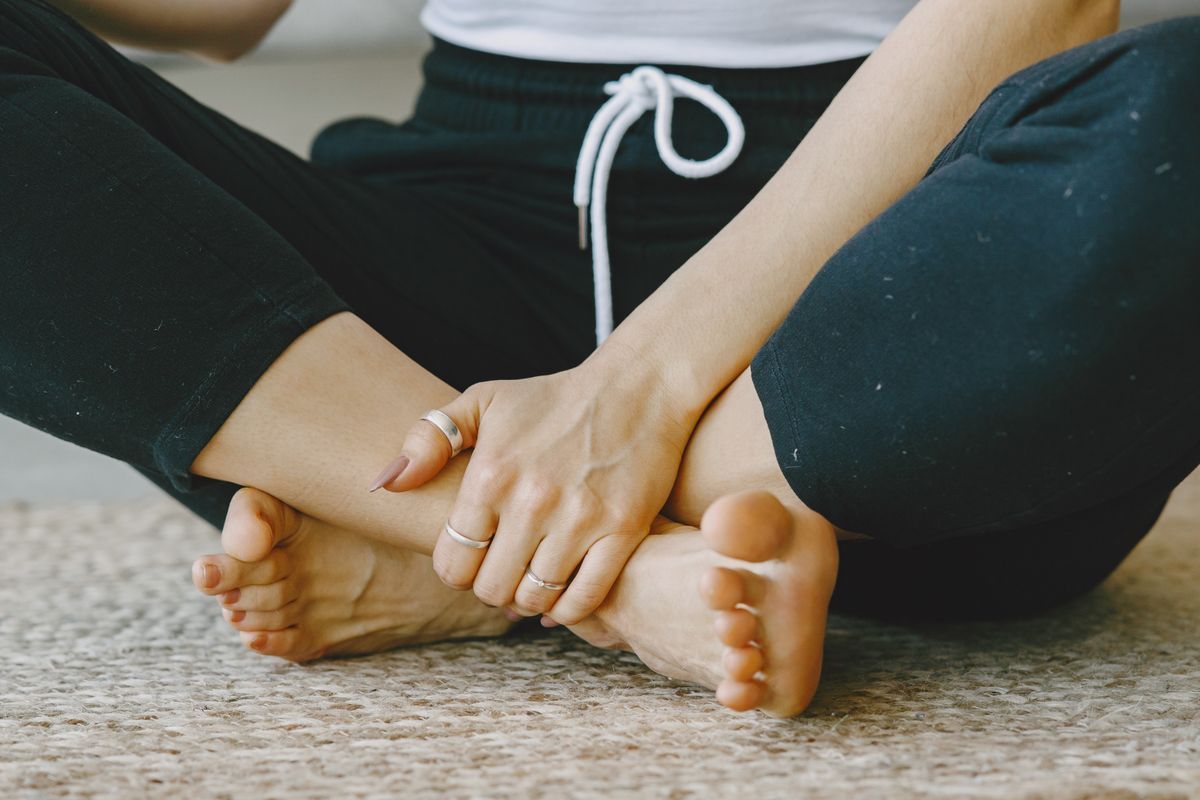
Physical sensation — pressing feet firmly into the floor, holding a textured object, or splashing cool water on the face and hands — provides an immediate, concrete anchor to the present moment that’s genuinely harder for an anxious mind to override compared with purely mental or cognitive techniques alone.
Movement, even brief and simple, like a short walk or gentle stretching, can help discharge some of the physical energy that accompanies an anxiety response, which for many people feels more genuinely relieving than staying physically still while trying to manage the mental experience alone.
Also Read: Recognising Burnout Before It Recognises You
Building These Into a Genuinely Useful Toolkit
Practising grounding techniques during calmer moments, not just reaching for them for the first time during acute anxiety, genuinely improves how effectively they work when actually needed, since a technique that’s already familiar is considerably easier to access under the pressure of a stressful moment.
Different techniques work better for different people and even different situations, so having two or three genuinely familiar options, rather than relying on a single method, tends to be more useful than committing to just one approach that might not fit every specific moment of anxiety equally well.
Grounding for Different Types of Anxiety
Panic-type anxiety, with its intense, acute physical symptoms, tends to respond particularly well to breathing techniques and physical grounding, since the priority in that moment is calming an intense physiological response as directly as possible.
More generalised, ongoing worry, which is less acute but more persistent, often responds better to the 5-4-3-2-1 sensory technique or a brief, structured worry period earlier in the day, since the goal there is interrupting a persistent thought pattern rather than calming a single intense physical spike.
Also Read: How Sleep and Mental Health Actually Connect
A Note on What Grounding Techniques Aren’t For
Grounding techniques are genuinely useful for managing an acute moment of anxiety, but they’re not designed to address the underlying causes of chronic or significant anxiety, which often benefit from a more comprehensive approach involving therapy, and in some cases medication, alongside these in-the-moment tools.
It’s worth holding both things as true simultaneously — grounding techniques are genuinely valuable and worth learning, while also not being a complete substitute for proper support when anxiety is significantly affecting quality of life on an ongoing basis.
Grounding Techniques at a Glance
| Technique | How It Works | Best For |
|---|---|---|
| 5-4-3-2-1 sensory | Shifts attention to concrete sensory detail | Racing or spiralling thoughts |
| Diaphragmatic breathing | Activates parasympathetic nervous system | Physical anxiety symptoms |
| Physical touch/temperature | Provides immediate present-moment anchor | Dissociation or feeling disconnected |
| Movement | Discharges physical anxious energy | Restlessness, physical agitation |
Key Takeaways
- Grounding techniques work by deliberately redirecting attention from anxious future-focused thoughts to immediate sensory information.
- The 5-4-3-2-1 technique moves through the senses deliberately, competing with and interrupting an anxious thought spiral.
- Slow diaphragmatic breathing with a longer exhale directly activates the body’s parasympathetic, calming nervous system response.
- Physical touch and movement provide a concrete anchor that can be harder for an anxious mind to override than purely mental techniques.
- Practising grounding techniques during calmer moments makes them considerably more accessible and effective when genuinely needed.
Conclusion
Grounding techniques aren’t a cure for anxiety, and they’re not meant to replace proper support when anxiety is significant or persistent — they’re a genuinely useful tool for managing an acute moment. If anxiety is a regular or significant part of daily life, it’s worth mentioning that speaking with a GP or a mental health professional can offer more comprehensive support than grounding techniques alone.
Frequently Asked Questions
How quickly do grounding techniques actually work during an anxiety episode?
Many people notice some effect within a few minutes of consistent practice, though this varies individually, and the effectiveness genuinely improves with familiarity built through practising during calmer moments, not just during acute anxiety.
Can grounding techniques replace therapy or medication for anxiety?
No, grounding techniques are a useful tool for managing acute moments, but they’re not a substitute for proper professional support if anxiety is significant, persistent, or genuinely affecting daily functioning.
Why does breathing out longer than breathing in help with anxiety?
A longer exhale specifically activates the parasympathetic nervous system more directly than the inhale, which is why breathing techniques that emphasise a longer, slower exhale tend to be particularly effective for calming acute physical anxiety symptoms.
Is it normal for grounding techniques to feel awkward or not work at first?
Yes, this is genuinely common, and effectiveness tends to improve with repeated practice during calmer moments, which builds familiarity that makes the technique considerably easier to access when actually needed during a genuinely anxious moment.
What should I do if grounding techniques aren’t helping enough with my anxiety?
If anxiety remains significant or persistent despite trying grounding techniques, it’s worth speaking with a GP or mental health professional, since more comprehensive support, like therapy, may be genuinely beneficial alongside or instead of self-managed techniques.
Do different grounding techniques work better for different types of anxiety?
Yes, panic-type anxiety with acute physical symptoms tends to respond particularly well to breathing and physical grounding, while more generalised, persistent worry often responds better to sensory techniques or a structured worry period earlier in the day.
Can I use grounding techniques as my only approach to managing anxiety?
Grounding techniques are genuinely useful for acute moments, but they don’t address underlying causes of chronic or significant anxiety, which often benefits from a more comprehensive approach involving therapy or medical support alongside these in-the-moment tools.