Quick Answer: Most colds, mild fevers, and stomach bugs in otherwise healthy children resolve at home within a few days. Warning signs that warrant medical attention include a fever in a baby under three months, difficulty breathing, unusual lethargy, a rash that doesn’t fade under pressure, or symptoms that improve then suddenly worsen again.
A young child, particularly one newly in nursery or school, can seem to catch something new every few weeks during a typical school year, which is genuinely normal even though it doesn’t feel that way by the fourth cold in two months.
Most of what comes through is entirely manageable at home. A smaller set of signs, though, genuinely warrant medical attention, and knowing the difference removes a lot of the guesswork and anxiety that comes with an unclear symptom picture, particularly for newer parents still building that instinct.
Colds and Mild Respiratory Illness
The common cold is, unsurprisingly, the most frequent childhood illness, and young children can have six to eight colds a year without it indicating anything wrong with their immune system — this is simply what normal immune development looks like when a child is newly and repeatedly exposed to circulating viruses.
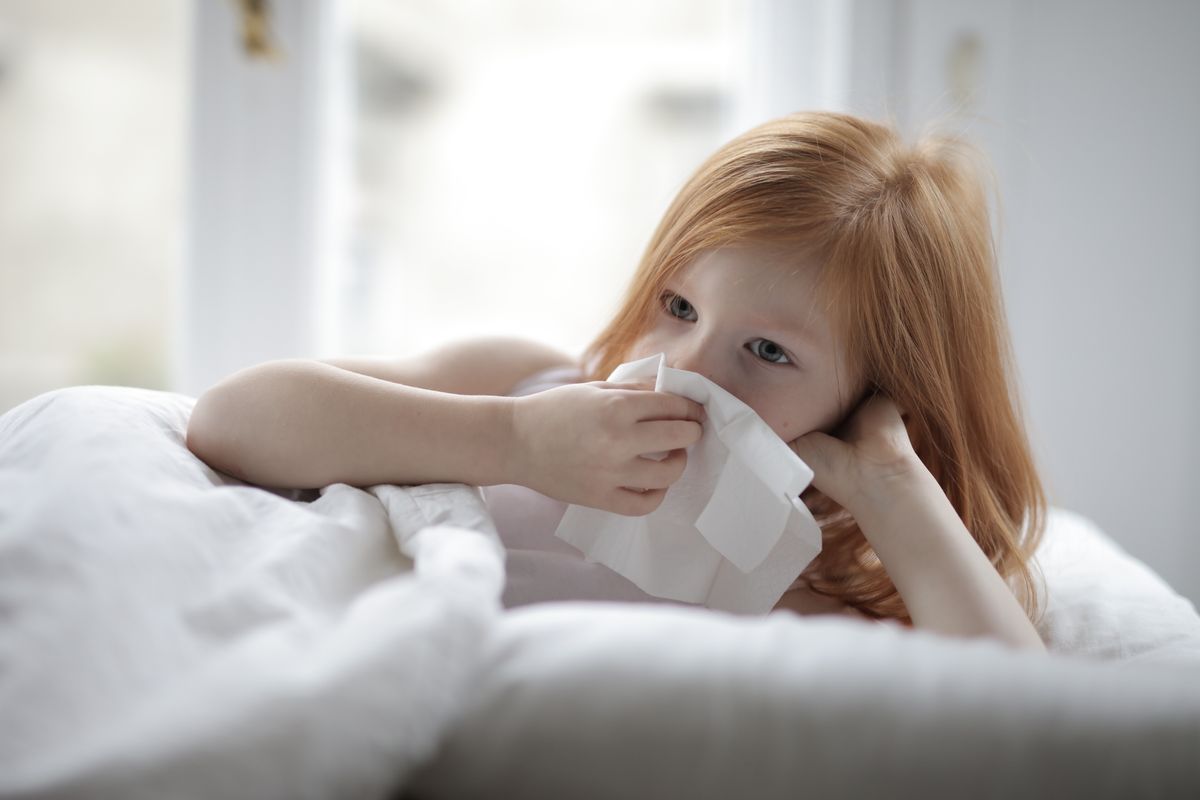
Symptoms like a runny nose, mild cough, and low-grade fever generally resolve within seven to ten days with rest, fluids, and, if needed, appropriate paracetamol or ibuprofen dosed for the child’s weight and age. A cough that lingers a couple of weeks after other symptoms clear is also common and not automatically concerning on its own.
Fever: What’s Actually Concerning
Fever itself is a normal, healthy immune response rather than something to fear or rush to eliminate entirely — the actual number on a thermometer matters less than how a child is behaving alongside it. A child with a moderate fever who’s still drinking fluids, responsive, and has some periods of normal behaviour is generally less concerning than a lower fever paired with lethargy or unusual unresponsiveness.
The genuinely important exception is age-specific: any fever in a baby under three months old warrants same-day medical assessment regardless of how well the baby otherwise seems, since illness can progress considerably faster in very young infants than in older children.
Also Read: Seasonal Illness Prevention for the Whole Household
Stomach Bugs and Digestive Illness
Vomiting and diarrhoea, most commonly from a viral stomach bug, are unpleasant but usually self-limiting within a few days, with the main risk being dehydration rather than the illness itself. Small, frequent sips of fluid, rather than large amounts at once, tend to be better tolerated and more effective at maintaining hydration.
Signs of concerning dehydration include notably fewer wet nappies or trips to the toilet than usual, a dry mouth, sunken eyes, or unusual lethargy — these warrant medical attention rather than continued home management, particularly in younger children who dehydrate more quickly than older children or adults.
Rashes: The Tumbler Test and Other Signs
Many childhood rashes are harmless and resolve on their own, but a specific check is worth knowing: pressing a clear glass against a rash and observing whether it fades under pressure. A rash that doesn’t fade (the ‘tumbler test‘) can be a sign of a more serious condition and warrants prompt medical assessment.
Rashes accompanied by high fever, lethargy, or the child seeming generally unwell beyond what the rash alone would explain are worth checking regardless of the tumbler test result, since that overall combination matters more than any single sign in isolation.
Also Read: How to Build a Home First-Aid Kit That Actually Covers You
When to Actually Seek Medical Help
Beyond the specific warning signs already covered, a useful general rule that many paediatric nurses recommend: trust a parent’s own sense that something feels different or wrong, even without being able to articulate exactly why, since parents are often genuinely better at detecting subtle changes in their own child than a symptom checklist alone can capture.
Symptoms that improve and then suddenly worsen again after a few days deserve particular attention, since this pattern can indicate a secondary infection developing on top of the original illness, which is a meaningfully different situation than a straightforward cold running its normal course.
Ear Infections and Sore Throats
Ear infections are genuinely common in young children, partly due to the shorter, more horizontal shape of a young child’s eustachian tube compared with an adult’s, which makes drainage less efficient and infection more likely, particularly following a cold. Tugging at an ear, irritability, and disrupted sleep are common signs, though not every ear infection requires antibiotics, and many resolve on their own within a few days.
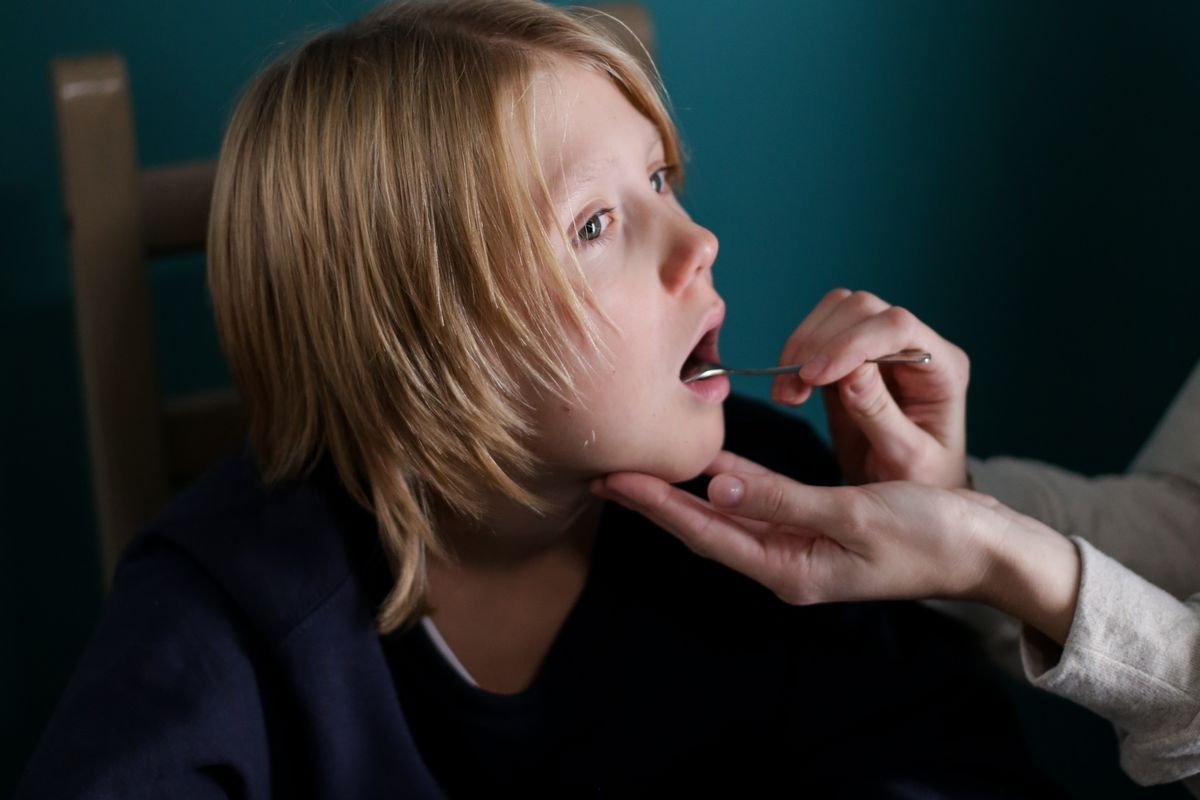
Sore throats are similarly common and usually viral, resolving with fluids, rest, and pain relief as needed. A sore throat paired with a specific, distinctive rash, high fever, or significant difficulty swallowing is worth a GP check, since it’s occasionally a sign of a bacterial infection like strep throat that benefits from antibiotic treatment.
Also Read: Signs of Nutrient Deficiency in Children Parents Miss
Building Confidence Without Overreacting
It’s genuinely common for newer parents to feel anxious about every new symptom, and that anxiety tends to ease with experience as a parent gets a better sense of their own child’s normal patterns and typical illness behaviour, which is a real and valid part of the learning curve rather than something to feel embarrassed about.
Keeping a simple note of symptoms, timing, and temperature during an illness, even briefly, can be genuinely useful both for tracking whether something’s improving or worsening and for giving a GP clearer information if a visit does become necessary, rather than relying on memory alone under the stress of a worrying moment.
Common vs Concerning Symptoms
| Symptom | Usually Normal | Seek Medical Advice If… |
|---|---|---|
| Fever | Moderate, child still responsive | Under 3 months old, or lethargic/unresponsive |
| Cough | Lingers after other symptoms clear | Difficulty breathing, wheezing |
| Vomiting/diarrhoea | Resolves within a few days | Signs of dehydration, blood present |
| Rash | Fades under pressure (tumbler test) | Doesn’t fade, or paired with high fever |
Key Takeaways
- Six to eight colds a year is genuinely normal for a young child, particularly in the first year or two of nursery or school.
- Fever itself isn’t automatically concerning — a child’s overall behaviour and responsiveness matter more than the exact number.
- Any fever in a baby under three months old warrants same-day medical assessment regardless of how well the baby otherwise seems.
- The tumbler test (checking whether a rash fades under pressure) is a genuinely useful quick check for a potentially serious rash.
- Symptoms that improve then suddenly worsen again often indicate a secondary infection and deserve medical attention.
Conclusion
Most childhood illness is unpleasant but ultimately unremarkable — a normal part of a developing immune system encountering the world. Knowing the specific signs that shift something from ‘ride it out at home’ to ‘worth a same-day GP call’ removes a lot of the anxious guesswork, and trusting a parent’s own instinct that something feels different remains, genuinely, one of the more reliable tools available.
Frequently Asked Questions
How many colds a year is considered normal for a young child?
Six to eight colds annually is within the normal range for young children, particularly during the first couple of years of nursery or school attendance, and doesn’t indicate an underlying immune problem.
What temperature counts as a fever in a child?
Generally, a temperature of 38°C or above is considered a fever, though a child’s overall behaviour and responsiveness matter more for judging severity than the specific number alone.
How can I tell if my child is dehydrated from a stomach bug?
Notably fewer wet nappies or toilet trips than usual, a dry mouth, sunken eyes, and unusual lethargy are the key signs of concerning dehydration that warrant medical attention rather than continued home management alone.
What is the tumbler test for a rash and when should I use it?
Pressing a clear glass firmly against a rash and checking whether it fades under the pressure is a quick way to assess a potentially serious rash; a rash that doesn’t fade warrants prompt medical assessment.
Should I always give paracetamol or ibuprofen for a child’s fever?
Fever medication is mainly for comfort rather than a medical necessity in every case, so it’s reasonable to reserve it for when a child is genuinely uncomfortable, always dosed correctly for their weight and age according to the packaging or pharmacist guidance.
How do I know if my child’s sore throat needs antibiotics?
Most sore throats are viral and don’t need antibiotics, but a distinctive rash, high fever, or significant difficulty swallowing alongside the sore throat is worth a GP check to rule out a bacterial infection like strep throat.
Why do young children get ear infections so often?
A young child’s eustachian tube is shorter and more horizontal than an adult’s, which makes drainage less efficient and infection more likely, particularly following a cold, and this anatomical difference gradually changes as a child grows older.