Quick Answer: Start with just two or three meals prepped for the week, not all of them. Pick recipes that share ingredients, batch-cook a base protein and a base carbohydrate separately, and store in portioned containers. Building the habit matters more than building the perfect system in week one.
Meal prep has a reputation problem. Search it online and you’ll find identical rows of chicken, rice, and broccoli in matching containers, which is efficient but also exactly the kind of thing that makes most people give up after one exhausting Sunday and never try again.
It doesn’t have to look like that. A genuinely sustainable meal prep system is built around what someone will actually eat, adjusted to fit around a real week rather than an idealised one. This is a starting framework for people who’ve tried it before and found it more effort than it was worth.
Start Smaller Than You Think
The most common reason people abandon meal prep is starting too ambitiously — trying to prep every single meal for seven days in one session, which is genuinely a lot of cooking and cleanup for a first attempt, and often ends in a fridge full of food nobody’s excited to eat by day four.
A better starting point: prep two or three lunches or dinners for the week, and leave the rest flexible. Once that feels manageable and sustainable, expanding to more meals is a natural next step, rather than trying to overhaul an entire week’s eating pattern all at once.
Choose Recipes That Share Ingredients
Picking two or three recipes that use overlapping ingredients — the same vegetables prepared different ways, or a shared base sauce used across two different meals — cuts both shopping complexity and food waste considerably compared with three completely unrelated recipes requiring entirely separate ingredient lists.
This also reduces decision fatigue during the actual cooking session, since chopping a larger batch of the same vegetable once is genuinely faster than switching between several different prep tasks for unrelated dishes.
Batch-Cook Components, Not Just Full Meals
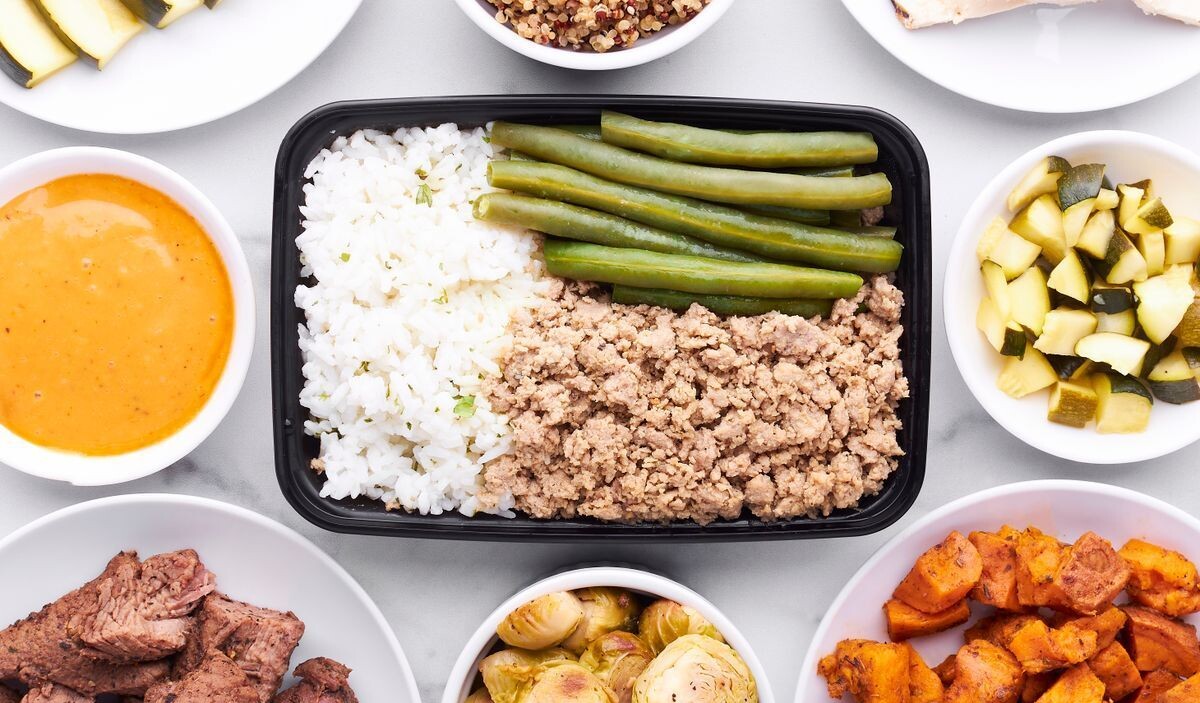
Rather than committing to five identical meals, cooking base components separately — a protein, a grain or starch, and a couple of vegetable preparations — allows mixing and matching through the week, which meaningfully reduces the boredom factor that derails a lot of meal prep attempts.
A batch of roasted chicken thighs, a pot of rice, and two different roasted vegetable trays can combine into several genuinely different-feeling meals across the week, just by varying the sauce, seasoning, or side each time, rather than eating the exact same plate five days running.
Also Read: The Complete Guide to Reading Nutrition Labels
Storage That Actually Works
Glass containers are worth the initial investment over plastic — they don’t stain or hold onto smells the way plastic tends to over time, and they’re safely reheatable in the microwave without the concerns that come with certain plastic containers under heat.
Labelling with the date prepared, even just with masking tape and a marker, avoids the genuinely common mistake of losing track of what’s been in the fridge for how long. Most cooked meals keep well for three to four days refrigerated; anything meant to last the full week benefits from freezing portions instead.
Freezing in individual portions rather than one large batch makes defrosting far more practical — pulling out exactly what’s needed for one meal, rather than defrosting an entire week’s worth because it was frozen as a single block.
Building a Realistic Weekly Routine
Prep day doesn’t have to be Sunday, despite that being the default assumption in most content on this topic. Whatever day genuinely has the most available time and energy in a given week is the right prep day — for some people that’s a weekday evening, not a weekend at all.
Setting a realistic time budget matters too. Ninety minutes of focused cooking, with components batch-cooking simultaneously (protein in the oven while a grain cooks on the hob), covers most beginner-level prep sessions without the process eating an entire afternoon.
Also Read: Debunking the Most Common Diet Myths
Grocery Shopping With Meal Prep in Mind
A short, focused shopping list built directly from the two or three chosen recipes avoids the common trap of an ambitious, sprawling list that results in half-used ingredients going off in the fridge before they’re actually used, which is one of the quieter ways meal prep ends up costing more than it saves.
Buying pre-chopped or frozen vegetables, particularly when starting out, is a completely reasonable shortcut rather than a failure to do it ‘properly’ — the time saved on prep day often matters more for sustaining the habit than the marginal cost difference versus fresh, unprepped vegetables.
Dealing With a Missed Prep Week
Life gets in the way of even well-established routines, and missing a prep session occasionally doesn’t undo the value of the weeks it did happen. Treating a missed week as a reason to abandon the habit entirely is a common but avoidable mistake — the more useful mindset is simply picking back up the following week without much fuss.
Keeping a small backup stock of simple frozen or shelf-stable meals for exactly these weeks removes some of the pressure that leads to takeaway becoming the default fallback, and makes the occasional missed prep session feel less like a total derailment of the habit.
Also Read: Building a Family Wellness Routine That Actually Sticks
Involving Others in the Household
For anyone prepping meals for a partner, family, or housemates, a brief conversation about preferences before the first session saves considerable wasted effort compared with discovering after the fact that half the batch isn’t to someone’s taste.
Getting even one other household member involved in the actual cooking session, even just for chopping, tends to make the process feel less like a chore and more sustainable as an ongoing weekly habit, rather than falling entirely on one person’s time and motivation.
Beginner Meal Prep Starter Plan
| Component | Example | Storage Life |
|---|---|---|
| Protein | Roasted chicken thighs, baked tofu | 3–4 days fridge, 3 months frozen |
| Grain/starch | Rice, quinoa, roasted potatoes | 3–4 days fridge, 2–3 months frozen |
| Vegetables | Roasted or steamed, two varieties | 3–4 days fridge |
| Sauce/dressing | Made separately, added fresh | 5–7 days fridge |
Key Takeaways
- Starting with just two or three prepped meals, not a full week, is the single most effective way to make meal prep stick as a habit.
- Batch-cooking separate components rather than identical full meals reduces boredom and increases variety through the week.
- Glass containers with clear date labelling reduce both food waste and the guesswork around what’s still safe to eat.
- Freezing in individual portions makes defrosting more practical than freezing in one large batch.
- Prep day should match whenever real time and energy are available, not a fixed default like Sunday.
Conclusion
The goal of meal prep isn’t a perfectly organised fridge — it’s fewer stressful decisions during a busy week and less food waste from ingredients bought with good intentions and never used. Starting small, choosing recipes that overlap, and storing things sensibly covers most of what actually makes the habit stick long-term. Everything more elaborate can come later, once the basic rhythm feels manageable rather than like a chore.
Frequently Asked Questions
How long does meal-prepped food actually stay fresh in the fridge?
Most cooked meals keep safely for three to four days refrigerated, though this varies by ingredient, so anything meant to last a full week is generally better frozen in portions instead.
Is meal prep only useful for weight loss or fitness goals?
No, it’s genuinely just as useful for saving time, reducing food waste, and cutting down on last-minute takeaway decisions, regardless of any specific fitness or weight goal.
What’s the best way to avoid getting bored of the same meals?
Batch-cooking separate components rather than identical full meals, and varying sauces or seasonings across the week, is the most effective way to maintain variety without significantly more cooking effort.
Do I need special equipment to start meal prepping?
Not really — a set of good storage containers and an oven tray or two covers most beginner needs; more specialised equipment like a slow cooker or air fryer can help but isn’t required to get started.
How do I know if meal-prepped food has gone off?
Beyond the general three-to-four-day fridge guideline, trust obvious signs like smell, texture changes, or visible mould, and when in doubt, it’s safer to discard than risk it, particularly with rice and poultry.
Is it cheaper to meal prep than to buy lunch or dinner out regularly?
In most cases yes, since batch-cooked ingredients bought in bulk typically cost considerably less per portion than pre-made meals or takeaway, though the savings depend on avoiding food waste from unused ingredients.
Can meal prep work for someone who dislikes eating the same food repeatedly?
Yes, this is exactly why batch-cooking separate components rather than identical full meals works well — the same base ingredients can be combined differently across the week to avoid the repetitive feeling that puts many beginners off.