Quick Answer: Poor sleep raises cortisol, which breaks down collagen and increases inflammation, showing up as dullness, under-eye puffiness, and slower wound healing. Consistently getting seven to nine hours, sleeping on your back, and using a silk or satin pillowcase are the changes with the clearest evidence behind them.
‘Beauty sleep’ sounds like exactly the kind of phrase a skincare brand invented to sell a £40 night cream. It didn’t. The actual research on sleep and skin is more solid than the slightly cheesy phrase suggests, and it goes well beyond just looking a bit tired the morning after a bad night.
This is a look at what’s actually happening to skin during sleep, what a lack of it genuinely does, and which of the popular sleep-related skincare habits are worth the effort versus which ones are mostly marketing dressed up as advice.
What Happens to Skin During Good Sleep
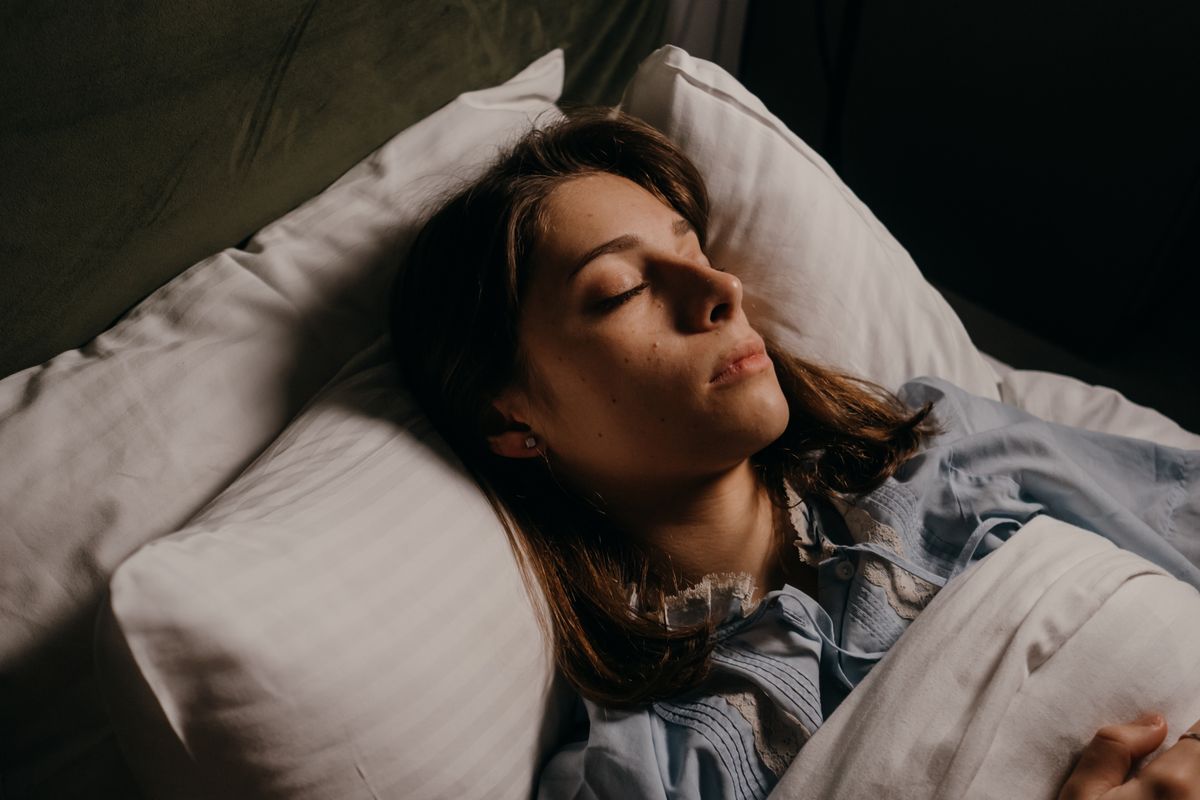
Skin cell turnover and repair processes ramp up significantly during sleep, particularly during deeper sleep stages. Blood flow to the skin increases, collagen production gets a boost, and the skin’s barrier repairs itself from the day’s exposure to pollution, UV, and general environmental stress.
Growth hormone release, which plays a role in tissue repair generally, peaks during deep sleep. This is part of why the ‘beauty sleep’ framing, while a bit dramatic in the marketing, actually reflects something real happening physiologically rather than being purely a myth.
What Poor Sleep Actually Does
Cortisol, the primary stress hormone, rises with sleep deprivation, and elevated cortisol breaks down collagen while increasing inflammation — a combination that shows up over time as fine lines, reduced skin elasticity, and a general dullness that no amount of highlighter quite fixes.
Under-eye puffiness and dark circles are the most visible short-term effect, partly from fluid retention and partly from the thin under-eye skin showing underlying blood vessels more prominently when circulation is affected by poor sleep. This is the one most people notice immediately after a genuinely bad night.
Longer-term sleep deprivation is also linked to slower wound healing and a weaker skin barrier, meaning skin becomes more reactive to products it normally tolerates fine, and existing conditions like eczema or acne can flare more easily during prolonged periods of poor sleep.
Also Read: Building Healthy Sleep Habits in Kids
Sleep Position and Skin
Side and stomach sleeping create consistent, repeated pressure and friction against the same areas of skin night after night, and over years, this contributes to what dermatologists sometimes call ‘sleep lines’ — creases that eventually stop fully smoothing out during the day.
Back sleeping avoids this entirely, which is why it’s the position most commonly recommended for skin, though it’s worth being realistic — sleep position is a deeply ingrained habit that’s genuinely difficult to change, and the skin benefit, while real, is gradual rather than dramatic.
Pillowcases: Does the Fabric Actually Matter?
Silk and satin pillowcases get a lot of skincare marketing attention, and there’s a reasonable basis for it — these fabrics create less friction against skin compared with cotton, which can reduce the mechanical stress that contributes to sleep lines and may cause slightly less irritation for sensitive or acne-prone skin.
That said, this is a genuinely minor factor compared with the bigger picture — total sleep duration and consistency matter considerably more than pillowcase material. Worth doing if it’s an easy swap, not worth stressing over if it isn’t in the budget right now.
Also Read: Yoga Poses for Better Sleep
Building a Sleep Routine That Actually Supports Skin
Consistency matters more than most people expect — going to bed and waking at roughly the same time daily, even on weekends, supports more stable hormone regulation than the same total sleep hours spread inconsistently across the week.
A proper nighttime skincare routine, done at least 30 minutes before actually trying to sleep rather than as the very last thing before switching off the light, gives active ingredients time to begin absorbing before the face meets a pillow, which matters more than it sounds for products like retinol or heavier night creams.
Reducing screen exposure in the hour before bed supports both sleep quality and, indirectly, skin — not because blue light itself damages skin meaningfully, but because it’s one of the more reliable disruptors of the sleep quality that skin actually depends on.
Sleep Debt and Skin: Can You Catch Up?
Weekend ‘catch-up’ sleep is a genuinely common habit, and while extra sleep after a short-term deficit does offer some recovery benefit, it doesn’t fully reverse the cumulative effect of chronic short sleep during the week — the body’s stress hormone regulation doesn’t reset as cleanly as people tend to assume.
Skin, similarly, shows some improvement after a catch-up sleep period, but consistently poor sleep across weeks or months produces changes — reduced elasticity, more persistent dullness — that a single good weekend doesn’t fully undo. The pattern matters more than any individual night, good or bad.
For anyone dealing with chronic poor sleep due to factors outside their immediate control — shift work, young children, insomnia — it’s worth being realistic that skincare products can offset some of the visible effects, particularly hydration and antioxidant support, even if they can’t fully substitute for what actual sleep provides.
Also Read: How Sleep and Mental Health Actually Connect
Small Adjustments That Add Up
A cooler bedroom temperature, generally recommended around 16 to 19°C, supports deeper sleep stages, which in turn supports the repair processes skin relies on most. It’s a small environmental change that’s easy to overlook compared with more talked-about factors like screen time.
Keeping a consistent wind-down routine — even fifteen minutes of the same low-key activity each night before bed — signals to the body that sleep is approaching, which tends to improve both how quickly sleep onset happens and how deep that sleep ends up being.
Sleep Habit vs Skin Impact
| Habit | Skin Impact | Evidence Level |
|---|---|---|
| 7–9 hours consistently | Better collagen production, less dullness | Strong |
| Back sleeping | Fewer long-term sleep lines | Moderate |
| Silk/satin pillowcase | Less friction, minor irritation reduction | Moderate |
| Consistent sleep/wake time | More stable hormone regulation | Strong |
| Screen use before bed | Disrupts sleep quality indirectly | Moderate-strong |
Key Takeaways
- Poor sleep raises cortisol, which breaks down collagen and increases visible signs of skin ageing over time.
- Under-eye puffiness and dullness are the most immediate visible effects of a single bad night’s sleep.
- Back sleeping reduces long-term sleep lines compared with side or stomach sleeping, though the effect is gradual.
- Silk or satin pillowcases offer a modest benefit but matter far less than total sleep duration and consistency.
- Applying skincare at least 30 minutes before sleeping, rather than immediately before lights out, gives products more time to absorb.
Conclusion
Skin genuinely does a measurable amount of repair work overnight, which means consistently poor sleep isn’t something skincare products can fully compensate for, however good the routine is layered on top. The most useful takeaway here isn’t really about pillowcases or sleep position — it’s that sleep deserves to be treated as a legitimate part of a skincare routine, not a separate lifestyle factor sitting outside it.
Frequently Asked Questions
Can one bad night’s sleep actually show on skin the next day?
Yes, under-eye puffiness and dullness can appear after even a single night of poor sleep, largely due to fluid retention and reduced circulation, though this typically resolves once normal sleep resumes.
Is it worth switching to a silk pillowcase for skin benefits?
It offers a modest reduction in friction and irritation compared with cotton, which is a reasonable easy swap, but it shouldn’t be relied on as a substitute for adequate sleep duration.
Does napping during the day help skin the way night sleep does?
Napping can help with alertness and general fatigue, but it doesn’t fully replicate the deep sleep stages where the most significant skin repair processes occur overnight.
How many hours of sleep does skin actually need to repair properly?
Most research points to seven to nine hours as the range where skin repair processes function optimally, with consistently shorter sleep linked to measurable increases in visible skin ageing markers over time.
Does sleep position really cause permanent wrinkles?
Repeated pressure from side or stomach sleeping can contribute to lines that eventually stop fully smoothing out during the day, though genetics, skin type, and overall skincare habits also play a significant role.
Can I make up for a week of poor sleep with one really good night?
Partially, but not fully — a single good night helps with immediate effects like puffiness, but the cumulative impact of a week or more of poor sleep on collagen and skin barrier function takes longer than one night to reverse.
Does stress from poor sleep affect skin conditions like acne or eczema?
Yes, elevated cortisol from sleep deprivation can worsen inflammatory skin conditions, which is why people with acne or eczema often notice flare-ups coinciding with periods of particularly poor sleep.