
Quick Answer: Honey, green tea extract, aloe vera, and certain plant oils like rosehip and squalane have genuine research support for skin benefits. Lemon juice, toothpaste on spots, and baking soda as an exfoliant, three of the most commonly recommended ‘natural’ remedies, are actually more likely to damage skin than help it.
Natural skincare has a bit of an image problem, mostly because it gets lumped into two extremes — either dismissed entirely as pseudoscience, or treated as automatically superior to anything ‘chemical,’ which is a strange distinction anyway since natural ingredients are chemicals too.
The truth sits in the middle, as it usually does. Some natural remedies genuinely have solid research behind them. Others are internet folklore that persist because they sound plausible, not because they’ve been tested. This is a rundown of which is which.
What Actually Holds Up
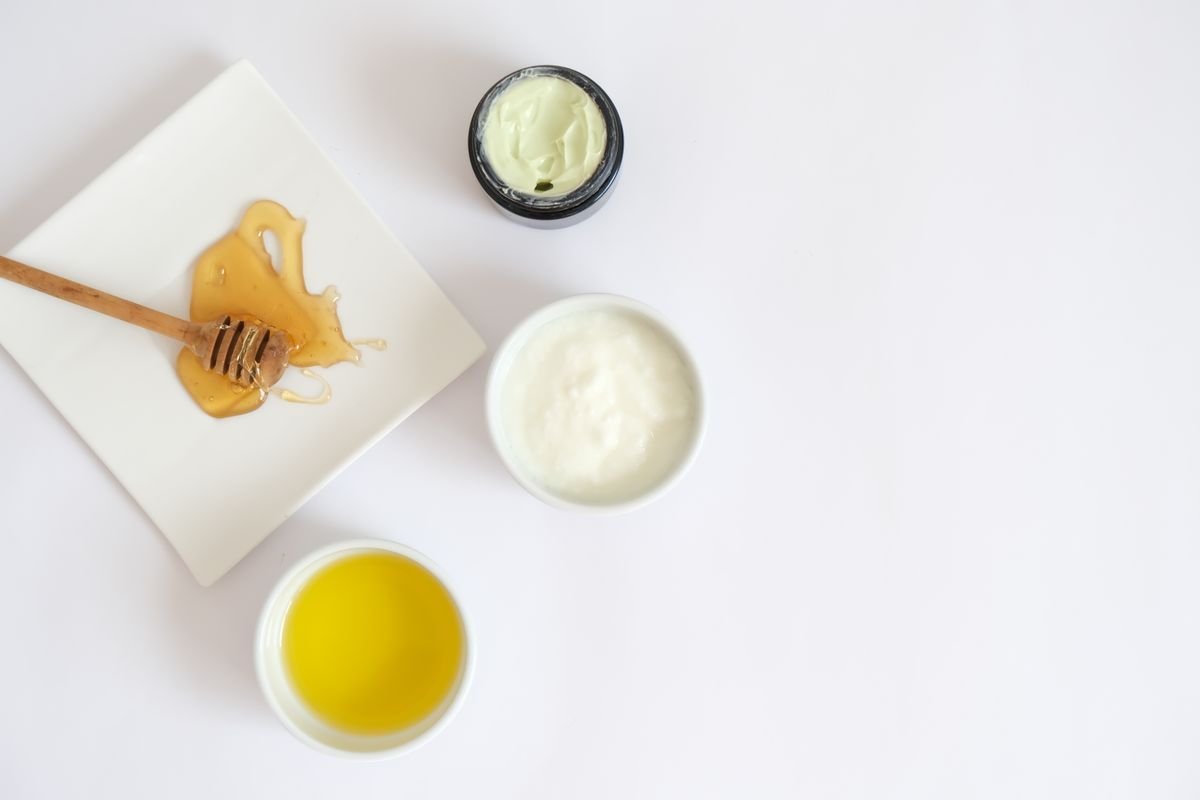
Honey, particularly medical-grade or raw honey, has genuine antibacterial and wound-healing properties supported by clinical research, which is part of why it’s used in some medical dressings, not just skincare marketing. As a face mask ingredient, it can help with mild acne and support the skin’s moisture barrier.
Green tea extract contains polyphenols with documented antioxidant and anti-inflammatory effects, and topical formulations have shown measurable benefits for oily and acne-prone skin in clinical studies. It’s one of the more research-backed ‘natural’ ingredients that’s made the jump into legitimate dermatological products rather than staying purely folk remedy.
Aloe vera has decent evidence for soothing minor burns, irritation, and supporting wound healing, though it’s worth noting most of the strong research is on burns specifically rather than general skincare claims, some of which outpace what’s actually been studied.
Certain plant oils — rosehip, squalane, and jojoba in particular — have reasonable evidence for supporting skin barrier function and hydration, largely because their fatty acid profiles closely resemble what skin naturally produces, making them well tolerated by most skin types.
Where the Evidence Gets Thin
Coconut oil is popular but genuinely mixed in the research — it works reasonably well as a body moisturiser for some people, but it’s comedogenic (pore-clogging) for many others, particularly on the face, which is a big part of why it can trigger breakouts in people who don’t experience issues with lighter oils.
Essential oils, broadly, get more credit than their evidence supports for direct skin benefits, and several — tea tree in particular — need significant dilution to avoid causing irritation or allergic reactions, which somewhat undercuts the ‘natural means gentle’ assumption a lot of people bring to them.
Apple cider vinegar as a toner is a genuinely risky trend with weak supporting evidence — its acidity can be harsh enough to damage the skin barrier, and any mild exfoliating benefit is easily achieved more safely with a proper, pH-balanced chemical exfoliant instead.
Also Read: Skincare Ingredients That Don’t Mix (And What to Use Instead)
What Doesn’t Hold Up at All
Lemon juice on skin is one of the most persistently bad pieces of skincare advice still circulating. It’s highly acidic, photosensitising (meaning it increases sun damage and hyperpigmentation risk), and can cause genuine chemical burns, particularly with sun exposure afterward. There’s no version of this one that’s actually a good idea.
Toothpaste on spots is another one that survives mostly through repetition rather than evidence. Toothpaste contains ingredients like baking soda and mint that can dry out and irritate skin, sometimes making a spot look worse rather than better, and it’s not formulated for facial skin at all.
Baking soda as a facial exfoliant or acne treatment disrupts skin’s natural pH significantly — skin sits around pH 4.5 to 5.5, while baking soda is roughly pH 9, and using it regularly can genuinely damage the skin barrier over time, making skin more prone to irritation and breakouts, not less.
How to Actually Evaluate a Natural Remedy
A reasonable filter, before trying anything found in a social media video: has this ingredient been studied specifically for skin, or is the claim borrowed from its use in cooking, cleaning, or general wellness contexts? Ingredients researched specifically for topical skin use carry far more weight than ones assumed to transfer over from unrelated uses.
It’s also worth remembering that ‘natural’ doesn’t automatically mean ‘gentle’ — poison ivy is natural too. The actual question worth asking isn’t whether something is natural or synthetic, but whether it’s been tested for the specific use you’re considering, and at what concentration.
Also Read: Building a Minimalist Skincare Routine That Works
Reading Natural Skincare Content Critically
A lot of natural remedy content online cites ‘studies show’ without linking to anything, or references a study conducted on cells in a lab dish rather than actual human skin in real-world use, which is a meaningfully different (and much weaker) form of evidence than a clinical trial.
A useful habit: if a remedy sounds too good to be true — cures acne overnight, reverses ageing in a week, replaces professional treatment entirely — that’s usually a signal to look for the actual source behind the claim rather than take a caption at face value. Genuine skincare research tends to be more modest and specific in its claims, not less.
It’s also worth remembering that individual skin varies enormously, so anecdotal success stories, however genuine, don’t carry the same weight as a properly controlled study involving a meaningful number of participants across different skin types.
Also Read: Anti-Inflammatory Foods to Add to Your Weekly Diet
Patch Testing Any New Remedy, Natural or Not
Regardless of where a remedy falls on the evidence scale, patch testing on a small area of skin — typically the inner forearm — for twenty-four to forty-eight hours before applying to the face remains one of the simplest ways to catch a reaction before it affects a visible area.
This matters especially for anything plant-derived, since natural ingredients can carry genuine allergen risk that people sometimes assume doesn’t apply outside of synthetic formulations, when in reality plant-based ingredients are just as capable of triggering a reaction in sensitive individuals.
Natural Remedy Evidence Check
| Remedy | Evidence Level | Verdict |
|---|---|---|
| Honey (raw/medical-grade) | Strong | Genuinely helpful for mild acne, healing |
| Green tea extract | Strong | Solid anti-inflammatory, antioxidant support |
| Rosehip / squalane oil | Moderate-strong | Good for barrier support and hydration |
| Coconut oil (face) | Mixed | Comedogenic risk for many skin types |
| Lemon juice | Contradicted | Avoid — causes burns and pigmentation |
| Baking soda | Contradicted | Avoid — disrupts skin pH significantly |
Key Takeaways
- Honey, green tea extract, aloe vera, and certain plant oils have genuine research support for skin benefits.
- Lemon juice, toothpaste on spots, and baking soda are popular but not supported by evidence, and can actively damage skin.
- ‘Natural’ doesn’t automatically mean gentle — concentration and formulation matter more than origin.
- Coconut oil works well for some people and badly for others, largely down to individual pore-clogging sensitivity.
- The most reliable filter is whether an ingredient has been studied specifically for topical skin use, not borrowed from cooking or cleaning contexts.
Conclusion
The natural-versus-synthetic framing that dominates so much skincare content online is honestly a bit of a distraction. What actually matters is evidence, concentration, and how a specific ingredient interacts with your specific skin. Some kitchen-cupboard remedies genuinely work. Others are one search away from causing more damage than they claim to fix. Worth checking before trying.
Frequently Asked Questions
Is honey good for all skin types?
Honey is generally well tolerated by most skin types, though anyone with a pollen or bee product allergy should avoid it, and it’s worth patch-testing before applying to the full face.
Why does coconut oil work for some people and cause breakouts in others?
It comes down to individual pore sensitivity — coconut oil is comedogenic, meaning it can clog pores, and people with naturally oilier or acne-prone skin tend to react more than those with drier skin types.
Are essential oils safe to apply directly to skin?
Most essential oils need significant dilution in a carrier oil before topical use, as applying them undiluted commonly causes irritation or allergic reactions, even in people without previously sensitive skin.
Can natural remedies replace a proper skincare routine entirely?
Generally not for most concerns — natural remedies can support a routine, but conditions like acne, rosacea, or significant hyperpigmentation typically respond better to formulated, tested products or professional treatment.
Is apple cider vinegar toner actually bad for skin?
It carries real risk of barrier damage due to its high acidity, and while some people use it without issue, a proper pH-balanced chemical exfoliant achieves similar goals with considerably less risk.
Why do some natural remedies work for one person but not another?
Individual skin type, existing barrier health, and sensitivity all vary significantly between people, which means even evidence-backed remedies like honey or green tea extract can produce different results depending on the person’s specific skin.
Are DIY face masks made from kitchen ingredients generally safe?
Some, like a plain honey mask, are reasonably safe for most people, but many popular DIY combinations mix ingredients with no tested safety profile for skin, so it’s worth researching each ingredient individually rather than trusting a recipe purely because it’s homemade.