Quick Answer: Yoga combines physical movement, controlled breathing, and present-moment focus, a combination that research shows genuinely lowers cortisol and activates the body’s calming nervous system response. Poses that emphasise slow, sustained holds and deep breathing, rather than fast-paced flow sequences, tend to be most effective specifically for stress and anxiety relief.
Yoga’s reputation for stress relief isn’t just wellness marketing — there’s genuine research behind the specific mechanisms involved, which combine physical movement, controlled breathing, and a present-moment focus in a way that few other single activities manage simultaneously.
This is a look at what actually happens physiologically during a calming yoga practice, which specific elements matter most for stress and anxiety relief specifically, and how to build a practice genuinely oriented toward that goal rather than one focused primarily on flexibility or strength.
The Physiological Mechanism Behind Yoga’s Calming Effect
Slow, controlled breathing during yoga practice directly activates the parasympathetic nervous system, genuinely lowering heart rate and cortisol levels in ways that have been measured across multiple research studies, making this a physiologically grounded effect rather than simply a subjective sense of relaxation.
The combination of physical movement with breath awareness also appears to have a genuinely stronger calming effect than either element alone, which is part of why yoga specifically, rather than stretching or breathing exercises in isolation, shows particularly consistent results in stress-reduction research.
Breath Work: The Core Component
Ujjayi breath, a slow, audible breathing technique used throughout many yoga styles, involves a slight constriction at the back of the throat that creates a soft, ocean-like sound, and it genuinely helps maintain steady, controlled breathing throughout a practice rather than allowing breath to become shallow or rapid during more challenging poses.
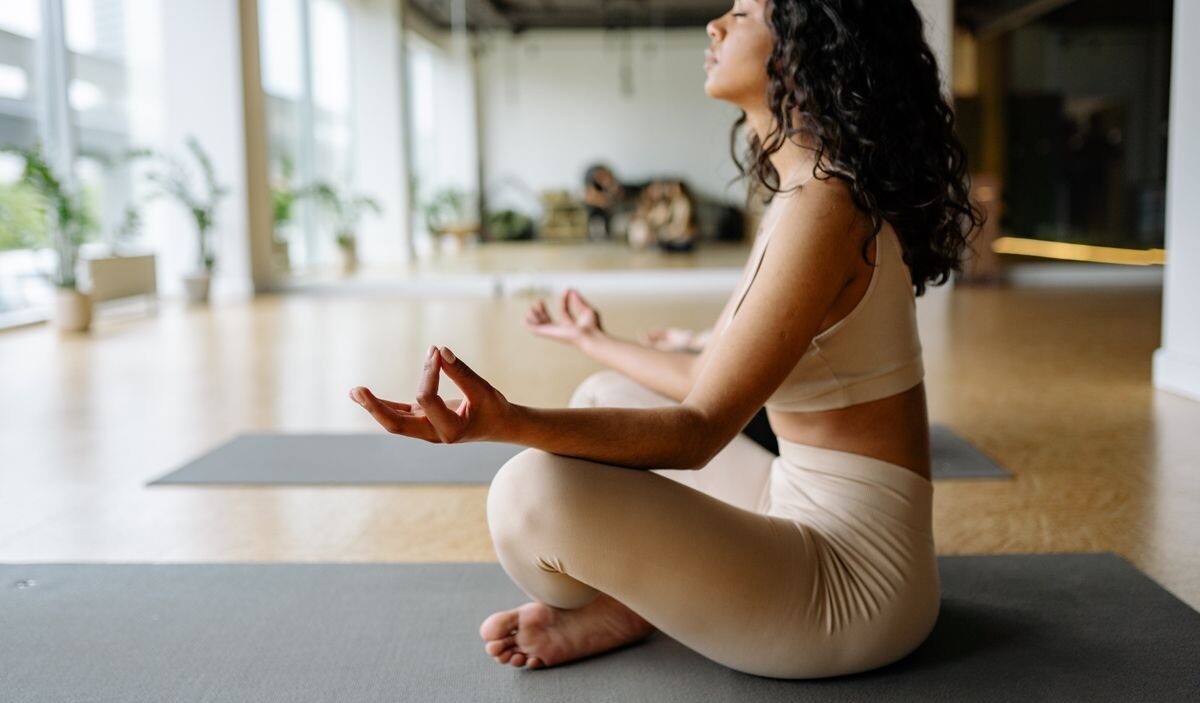
Even without any specific named technique, simply maintaining awareness of breath throughout a practice — noticing when it becomes shallow or held, and deliberately returning to slow, full breaths — captures much of the calming benefit, making this genuinely more important than mastering any particular formal breathing technique.
Also Read: Practical Grounding Techniques for Anxiety
Poses Particularly Suited to Stress Relief
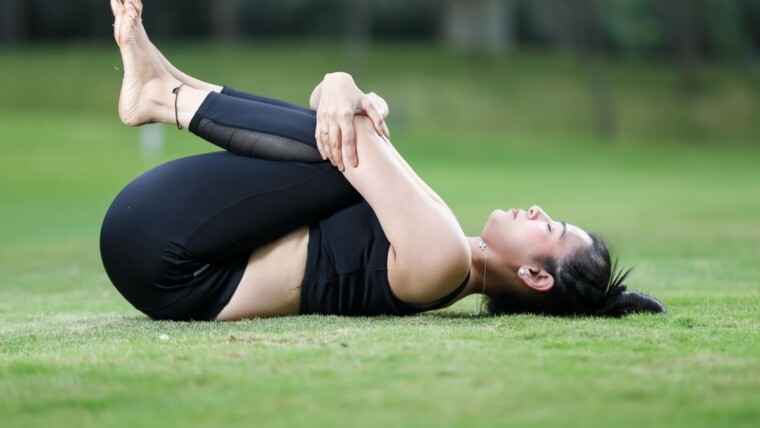
Forward folds, whether seated or standing, have a specifically calming quality often attributed to the gentle compression and inward focus they create, and many practitioners genuinely find them psychologically soothing beyond their physical stretching benefit.
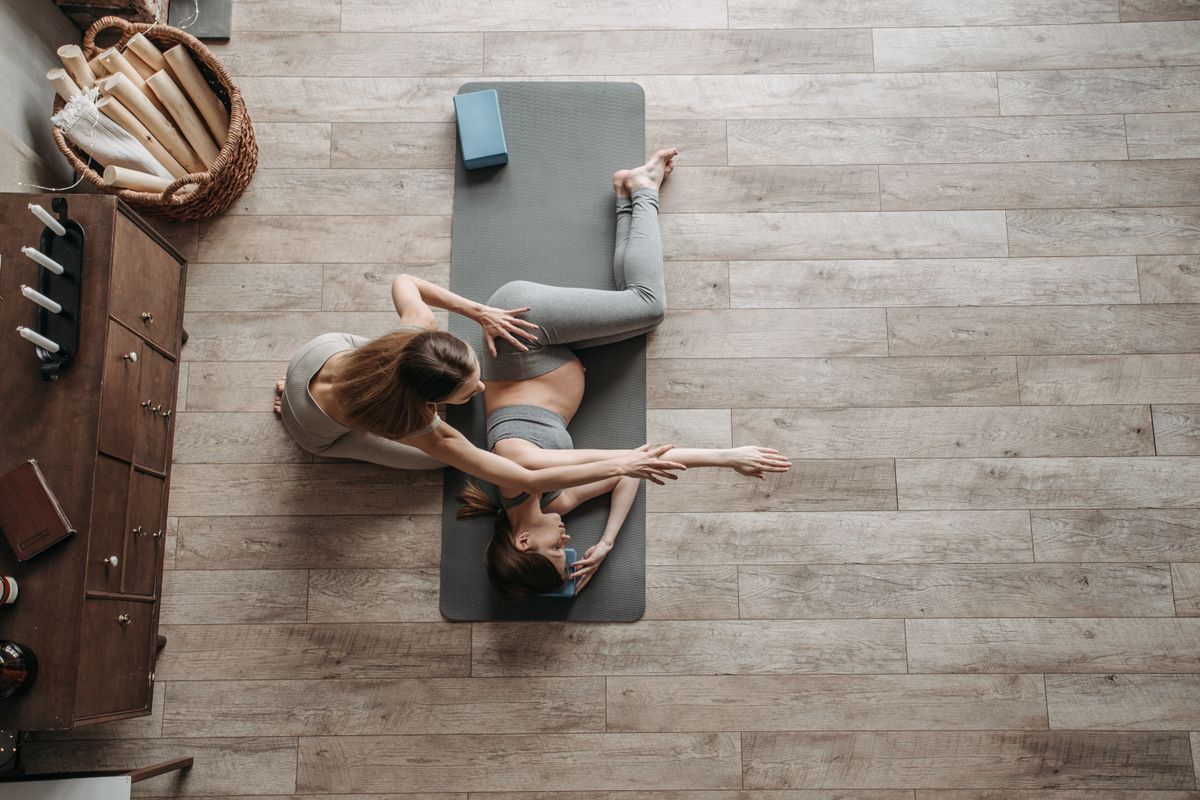
Twists, done slowly and gently rather than forced, can help release physical tension that commonly accumulates in the back and shoulders during stressful periods, which for many people creates a genuine sense of physical relief that supports the broader calming effect of the practice.
Restorative poses, held for extended periods with the support of props, allow the nervous system genuinely more time to shift into a calmer state than faster-paced sequences, making them particularly suited to sessions specifically focused on stress relief rather than physical training.
Building a Practice Focused Specifically on Stress Relief
A slower pace overall, with poses held for several breaths rather than quickly transitioning between them, genuinely supports the calming mechanism more effectively than a faster-paced flow style, which can end up feeling more like cardiovascular exercise than a stress-relief practice.
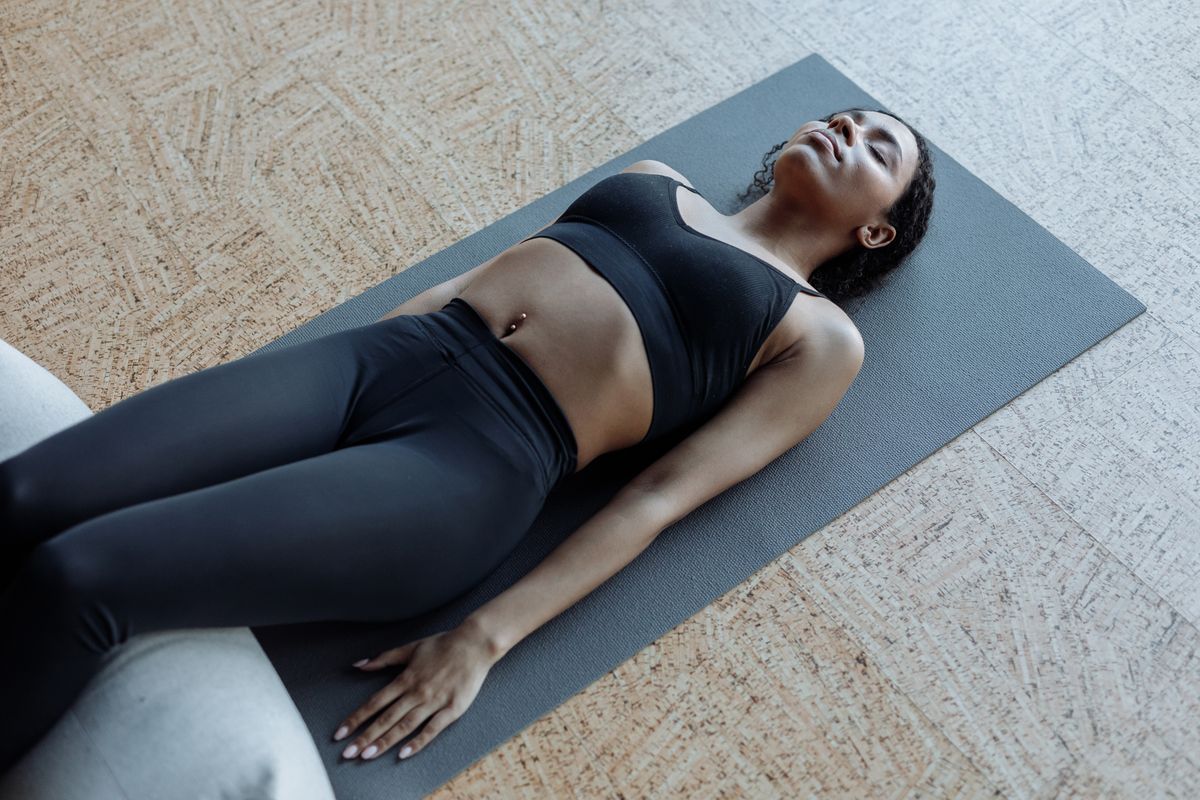
Ending a practice with a few minutes of savasana (final resting pose), rather than skipping it to save time, allows the calming effects built throughout the practice to genuinely settle, and many practitioners report this final integration period as one of the most valuable parts of a stress-focused session.
Also Read: A Beginner’s Guide to Starting a Home Yoga Practice
Yoga as Part of a Broader Approach
Yoga genuinely supports stress and anxiety management, but it’s worth treating as one component of a broader approach rather than a complete standalone solution, particularly for anxiety that’s significant or persistent, where professional support alongside a yoga practice tends to produce more complete results.
Regular practice, even briefly, tends to produce more consistent benefit than occasional longer sessions, which mirrors a pattern seen across most stress-management approaches — consistency genuinely matters more than duration or intensity for building lasting resilience over time.
Yoga in the Moment vs Building Long-Term Resilience
A single yoga session can genuinely help manage acute stress in the moment, providing real, immediate relief through the breathing and movement mechanisms already covered, which makes it a legitimate option to reach for during a particularly stressful day even without an established regular practice.
Regular, ongoing practice, though, appears to build something meaningfully different — a broader baseline resilience to stress over time, reflected in research showing regular practitioners often display lower baseline cortisol and improved stress reactivity, not just relief during or immediately after a session.
Also Read: Recognising Burnout Before It Recognises You
Making Stress-Relief Yoga Realistic to Maintain
A short, simple practice — even ten minutes of slow breathing combined with two or three calming poses — done consistently during genuinely stressful periods tends to be more sustainable and ultimately more beneficial than an elaborate practice attempted only occasionally when stress feels overwhelming.
Keeping a very simple, memorised sequence ready to use without needing to look anything up removes a barrier that otherwise makes it harder to actually begin during a stressful moment, when motivation and mental bandwidth for planning are both already genuinely limited.
Practice Elements and Their Stress-Relief Function
| Element | Function |
|---|---|
| Ujjayi or slow breath | Activates parasympathetic nervous system |
| Forward folds | Gentle compression, inward psychological focus |
| Gentle twists | Releases physical tension from back and shoulders |
| Savasana | Allows calming effects to settle and integrate |
Key Takeaways
- Slow, controlled breathing during yoga genuinely activates the parasympathetic nervous system, measurably lowering heart rate and cortisol.
- The combination of movement with breath awareness appears to have a stronger calming effect than either element practiced alone.
- Forward folds, gentle twists, and restorative poses held for extended periods are particularly well-suited to stress relief specifically.
- A slower-paced practice with poses held for several breaths supports the calming mechanism more effectively than fast-paced sequences.
- Ending with savasana allows the calming effects built throughout a practice to genuinely settle, and many practitioners consider it one of the most valuable parts of the session.
Conclusion
Yoga’s stress-relief benefit is genuinely grounded in measurable physiological mechanisms, not just a subjective sense of calm, which makes it a legitimate tool worth incorporating into a broader stress-management approach. For significant or persistent anxiety, pairing a regular yoga practice with professional support tends to offer more complete help than either approach relied on entirely alone.
Frequently Asked Questions
Which yoga style is best specifically for stress and anxiety relief?
Slower-paced styles like restorative or gentle hatha yoga, which emphasise sustained holds and breath awareness over fast transitions, tend to be more specifically effective for stress relief than faster-paced flow styles.
How quickly can yoga actually reduce stress or anxiety?
Many people notice some calming effect within a single session, particularly with breath-focused practice, though the more lasting resilience benefits tend to build with consistent, regular practice over several weeks.
Is breathing technique really as important as the poses themselves?
Yes, genuinely — the breath component appears to contribute significantly to yoga’s calming effect, and maintaining slow, steady breathing throughout a practice is arguably as important as the specific poses being performed.
Can yoga replace therapy or medication for anxiety?
No, yoga is a genuinely useful component of a broader stress-management approach, but for significant or persistent anxiety, it’s worth combining with professional support rather than relied upon as a complete standalone solution.
Is it better to do a short daily practice or a longer weekly session for stress relief?
Regular, even brief, practice tends to produce more consistent stress-relief benefit than occasional longer sessions, mirroring the pattern seen across most stress-management approaches where consistency matters more than duration.
Can a single yoga session help with stress in the moment, or does it only work with regular practice?
A single session can genuinely provide real, immediate relief during an acutely stressful moment, though regular ongoing practice appears to build a broader, longer-term resilience to stress beyond just in-the-moment relief.
How can I make stress-relief yoga easier to actually do during a stressful day?
Keeping a very simple, memorised sequence ready to use without needing to look anything up removes a barrier that otherwise makes it harder to begin during a stressful moment when mental bandwidth for planning is limited.