Quick Answer: A basic mat, comfortable clothing, and roughly fifteen to twenty minutes a few times a week is genuinely enough to start a home yoga practice. Starting with a handful of foundational poses, focused on proper alignment over flexibility, builds a considerably more sustainable practice than attempting an advanced routine too early.
Starting yoga at home can feel oddly more intimidating than joining a studio class, mostly because there’s no instructor to correct form and no group to follow along with, which leaves a lot of genuinely well-intentioned beginners unsure where to actually start.
The good news is that a home practice, done thoughtfully, is a completely legitimate way to begin, and in some ways offers advantages a studio class doesn’t — no travel time, no class schedule to work around, and the freedom to move at whatever pace genuinely suits a beginner body.
What You Actually Need to Get Started
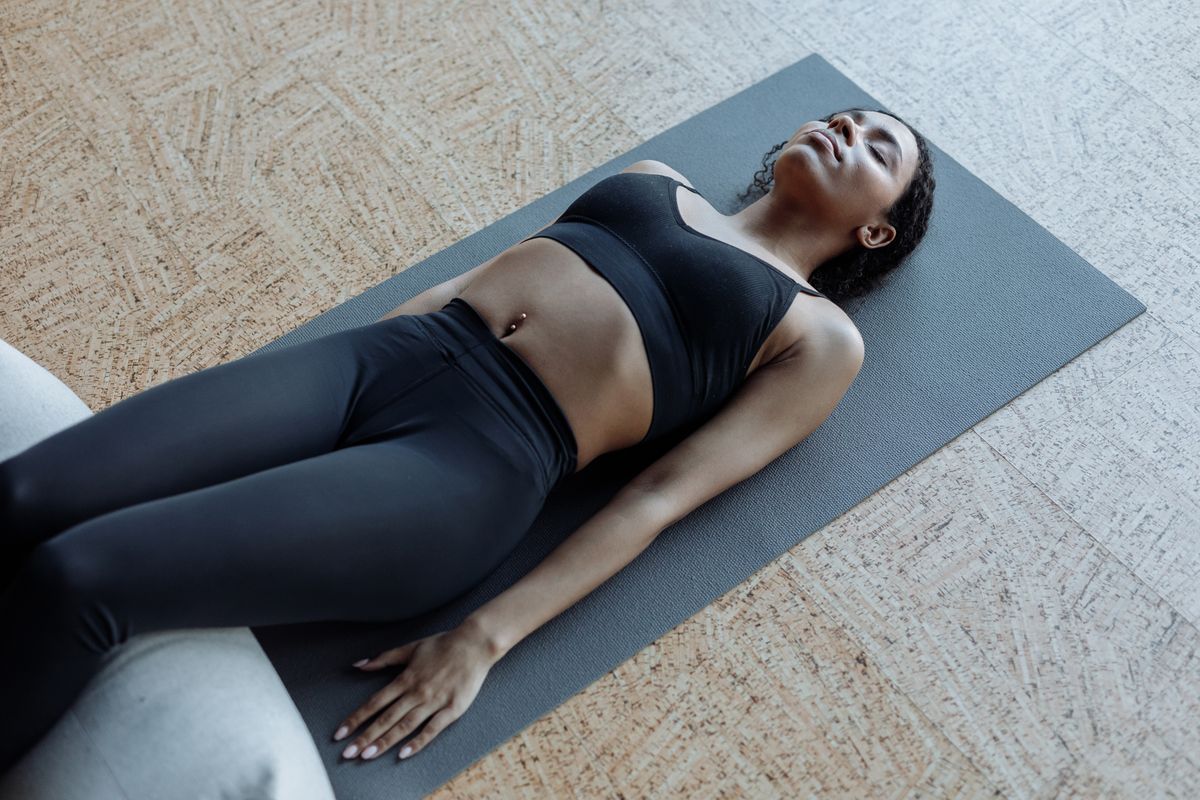
A yoga mat is genuinely the only essential piece of equipment, and a mid-range mat, rather than the cheapest available option, tends to provide meaningfully better grip and cushioning, which matters more for a beginner still building balance and confidence in various poses.
Comfortable, close-fitting clothing that allows a full range of movement without excess fabric getting in the way is worth prioritising over anything specifically branded as ‘yoga wear’ — the functional requirement matters considerably more than any particular look or brand.
Foundational Poses Worth Learning First
Mountain pose (Tadasana), despite looking deceptively simple, teaches genuinely foundational alignment principles — weight distribution, posture, engagement through the legs and core — that carry through into virtually every other standing pose that follows.
Downward-facing dog (Adho Mukha Svanasana) is one of the most frequently repeated poses across most yoga styles, making it genuinely worth learning properly early on, with particular attention to keeping a slight bend in the knees if hamstring flexibility doesn’t yet allow straight legs with a flat back.
Child’s pose (Balasana) serves as a genuinely valuable rest position throughout a practice, and knowing it’s always available to return to whenever needed removes some of the pressure beginners often feel to keep up with every single pose in a sequence without any break.
Also Read: Yoga Poses for Better Sleep
Prioritising Alignment Over Flexibility
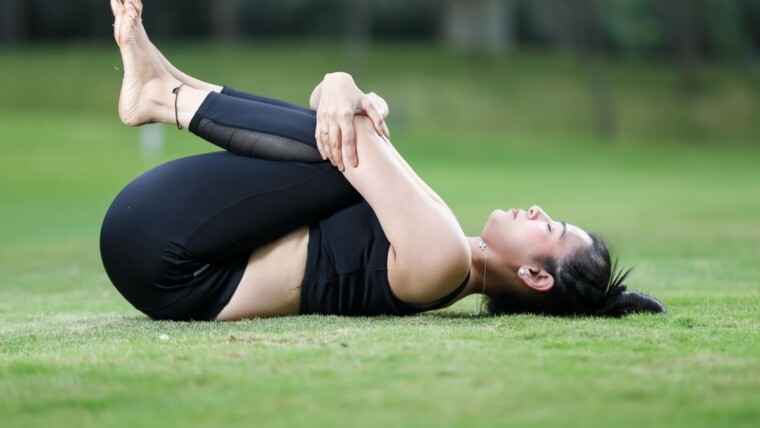
A common beginner misconception is that yoga requires significant existing flexibility, when in genuine practice, proper alignment — how a pose is structured, regardless of how deep it goes — matters considerably more for both safety and long-term progress than how far a beginner can currently stretch.
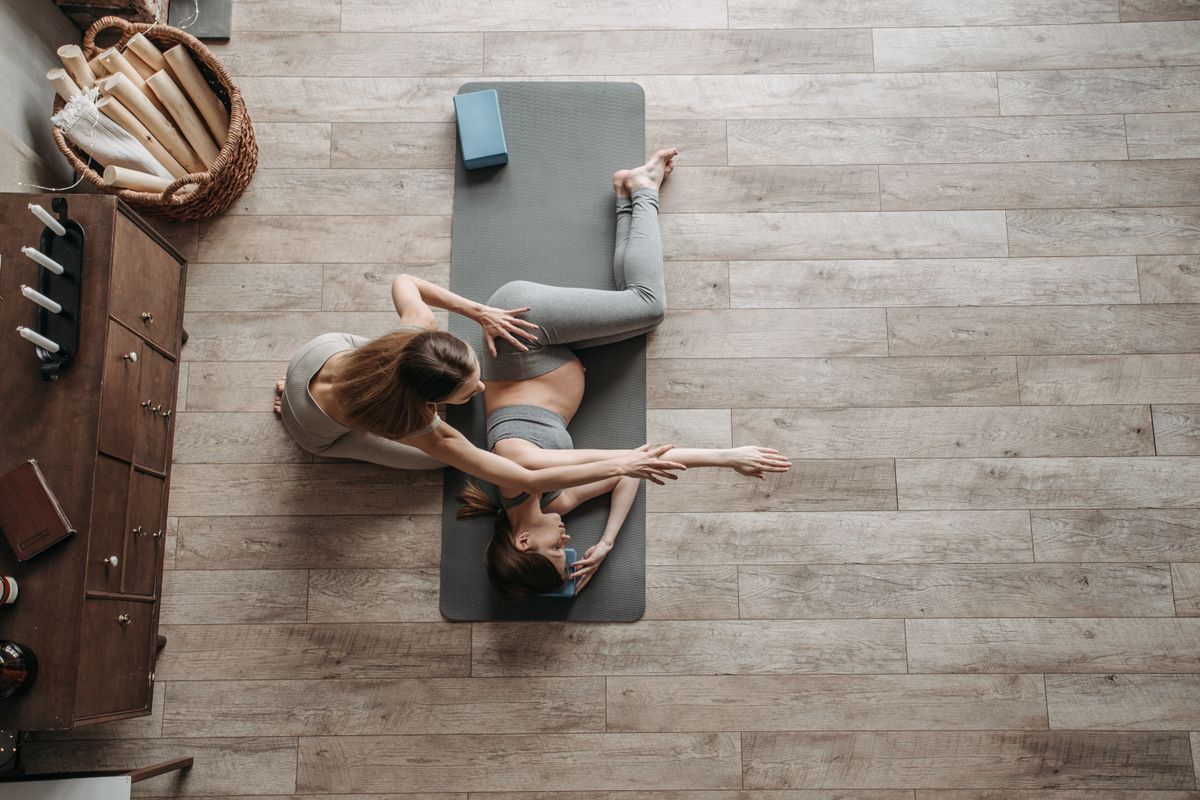
Using props like blocks or a folded blanket to modify a pose, rather than forcing a deeper stretch than the body is currently ready for, is a genuinely legitimate and recommended approach, not a sign of failure or inadequate practice, regardless of how it might look compared with more experienced practitioners.
Building a Realistic Practice Schedule
Fifteen to twenty minutes, two to three times weekly, is a genuinely sustainable starting frequency for most beginners, allowing enough consistency to build familiarity with poses without requiring the significant daily time commitment that derails a lot of ambitious new routines within the first few weeks.
Following a structured beginner video or app-based programme initially, rather than attempting to design an independent sequence from scratch, tends to be more genuinely useful early on, since it removes the additional cognitive load of sequencing while a beginner is still learning basic poses and alignment cues.
Also Read: Yoga for Stress and Anxiety Relief
Common Beginner Mistakes Worth Avoiding
Holding the breath during challenging poses is a genuinely common beginner habit that works against yoga’s core purpose — steady, continuous breathing throughout a practice supports both the physical and calming mental benefits that yoga is meant to provide.
Comparing a beginner practice to more advanced practitioners, whether in an online video or a remembered studio class, tends to be discouraging and largely counterproductive, since yoga genuinely isn’t a competitive or comparative pursuit despite how it’s sometimes visually presented in fitness content.
Setting Up a Genuinely Inviting Practice Space
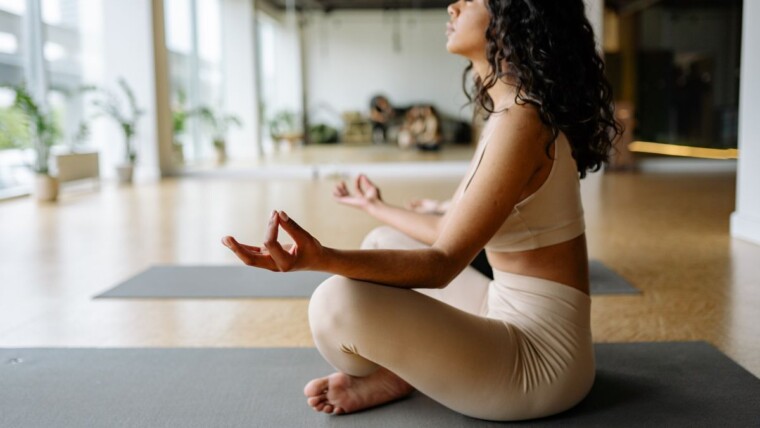
A dedicated spot, even a small corner of a room, that’s consistently used for practice tends to support habit formation better than practising in a different location each time, since the space itself becomes a genuine cue that helps trigger the routine without requiring much conscious decision-making.
Good lighting and enough clear floor space to move through poses without bumping into furniture matter more than any aesthetic consideration, and a practice space doesn’t need to look like a studio to function well — a genuinely functional, comfortable spot is considerably more valuable than an impressive-looking one.
Also Read: Building a 15-Minute Daily Yoga Routine You’ll Stick To
Progressing Safely Beyond the Basics
Once the foundational poses feel genuinely comfortable, typically after several weeks of consistent practice, gradually introducing slightly more challenging variations — a deeper twist, a longer hold, a new standing balance pose — keeps a practice progressing without abandoning the solid foundation already built.
Following along with a structured beginner-to-intermediate video series, rather than randomly attempting more advanced poses seen online, tends to provide a safer, more genuinely appropriate progression path than self-directed guesswork about which poses are reasonable to attempt next.
Foundational Poses for Beginners
| Pose | Benefit | Common Beginner Mistake |
|---|---|---|
| Mountain pose | Teaches foundational alignment | Rushing through without attention to posture |
| Downward-facing dog | Builds strength and flexibility | Locking knees when hamstrings are tight |
| Child’s pose | Provides rest and recovery | Skipping it out of a sense of obligation to keep going |
| Cat-cow | Warms up the spine | Moving too quickly without breath coordination |
Key Takeaways
- A yoga mat and comfortable clothing are genuinely the only essentials needed to start a home practice — no elaborate equipment is required.
- Mountain pose, downward-facing dog, and child’s pose form a genuinely useful foundation worth learning properly before moving to more advanced poses.
- Proper alignment matters more than existing flexibility, and using props to modify a pose is a legitimate, recommended approach, not a shortcut.
- Fifteen to twenty minutes, two to three times weekly, is a genuinely sustainable starting frequency for most beginners.
- Steady, continuous breathing throughout a practice supports both the physical and calming benefits yoga is meant to provide.
Conclusion
Starting a home yoga practice doesn’t require significant equipment, existing flexibility, or prior experience — it requires a mat, some comfortable clothing, and a willingness to start with the fundamentals rather than rushing toward more advanced poses. Building consistency at a genuinely manageable pace tends to produce a far more lasting practice than an ambitious start that fizzles out within a few weeks.
Frequently Asked Questions
Do I need to be flexible to start doing yoga?
No, proper alignment matters considerably more than existing flexibility for both safety and progress, and flexibility genuinely develops over time through consistent practice rather than being a prerequisite to start.
How long should a beginner yoga session be?
Fifteen to twenty minutes, two to three times weekly, is a genuinely sustainable starting point for most beginners, allowing enough consistency to build familiarity without requiring an unrealistic daily time commitment.
Is it okay to use props like blocks when I’m just starting out?
Yes, using props to modify a pose is a legitimate and recommended approach at any experience level, not just for beginners, and it supports safer, more effective practice rather than indicating inadequate ability.
Should I follow a video or app, or try to do yoga on my own?
Following a structured beginner video or app-based programme initially tends to be more useful, since it removes the additional challenge of sequencing poses while you’re still learning basic alignment and breathing cues.
What should I do if a pose feels uncomfortable or too difficult?
Returning to child’s pose or using a prop to modify the pose are both completely legitimate options, and pushing through genuine discomfort isn’t necessary or recommended, particularly as a beginner still learning how poses should feel.
Does it matter where in my home I practise yoga?
A consistent, dedicated spot tends to support habit formation better than practising somewhere different each time, since the space itself becomes a helpful cue, though it doesn’t need to be elaborate — a functional, comfortable corner is genuinely sufficient.
When is it safe to try more challenging poses beyond the basics?
Once the foundational poses feel genuinely comfortable, typically after several weeks of consistent practice, gradually introducing slightly more challenging variations through a structured video series tends to provide a safer progression than self-directed guesswork.