Quick Answer: Clinical trials show yoga can modestly reduce chronic low back pain and improve function, with effects comparable to other forms of exercise therapy. Gentle poses like cat-cow, child’s pose, and supported bridge, practised slowly and without pushing into pain, are a sensible starting point — though sudden severe pain, numbness, weakness, or symptoms after an injury need medical assessment before any exercise.
Back pain is one of the most common reasons people look to yoga, often after hearing that it helped a friend or a colleague. Some of that enthusiasm is well founded — there’s a reasonable body of clinical research on yoga and chronic low back pain — but it’s also an area where the wrong pose, done too enthusiastically, can make things worse.
This is a practical guide to what the evidence actually says, which gentle movements tend to help, which common poses are best approached with caution, and how to tell when back pain needs a doctor’s attention rather than a yoga mat.
What the Research Actually Shows
Several randomised trials and systematic reviews have found that yoga can produce modest improvements in pain and back-related function for people with chronic low back pain, typically measured after eight to twelve weeks of regular practice, and in many studies the benefits were similar to those from other structured exercise programmes such as physiotherapy-led exercise.
It’s worth keeping expectations realistic. Yoga isn’t a cure for back pain, and the improvements in trials are generally moderate rather than dramatic. It also doesn’t appear to be uniquely superior to other kinds of exercise — which is actually good news, because it means the best choice is often the form of movement you’ll genuinely keep doing.
Why Yoga May Help
Chronic back pain often involves a cycle of stiffness, reduced movement, weakened supporting muscles, and fear of moving, and yoga works on several parts of that cycle at once — gentle mobility for stiff joints, strengthening for the trunk and hips, and a slow, controlled pace that can rebuild confidence in movement.
The relaxation and breathing elements may also matter. Pain is influenced by stress and muscle tension, and learning to release unnecessary tension and calm the nervous system is increasingly recognised as a meaningful part of managing persistent pain, not just a pleasant extra.
Also Read: Chair Yoga: Gentle Practice for Limited Mobility
Gentle Movements Worth Starting With
Cat-cow, performed on hands and knees by alternately arching and rounding the spine in time with the breath, is a gentle way to mobilise the spine through a small, comfortable range. Moving slowly and staying well within pain-free limits matters more than how far you go.
Child’s pose offers a restful stretch for the lower back and hips, and if sitting back onto the heels is uncomfortable, placing a cushion or folded blanket between the hips and heels, or resting the torso on a bolster, makes it far more accessible.
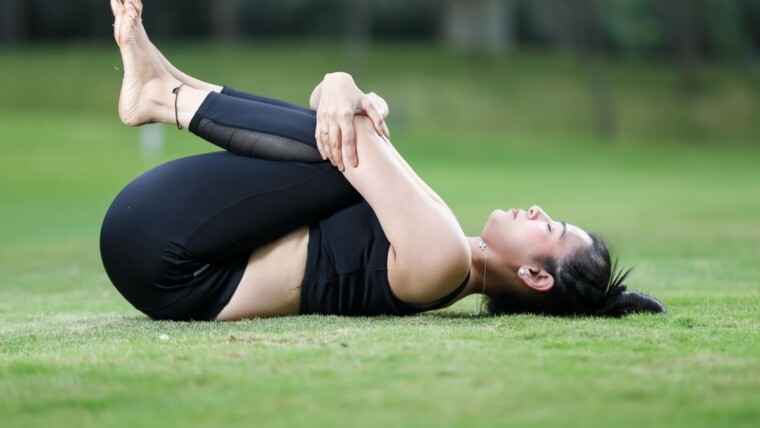
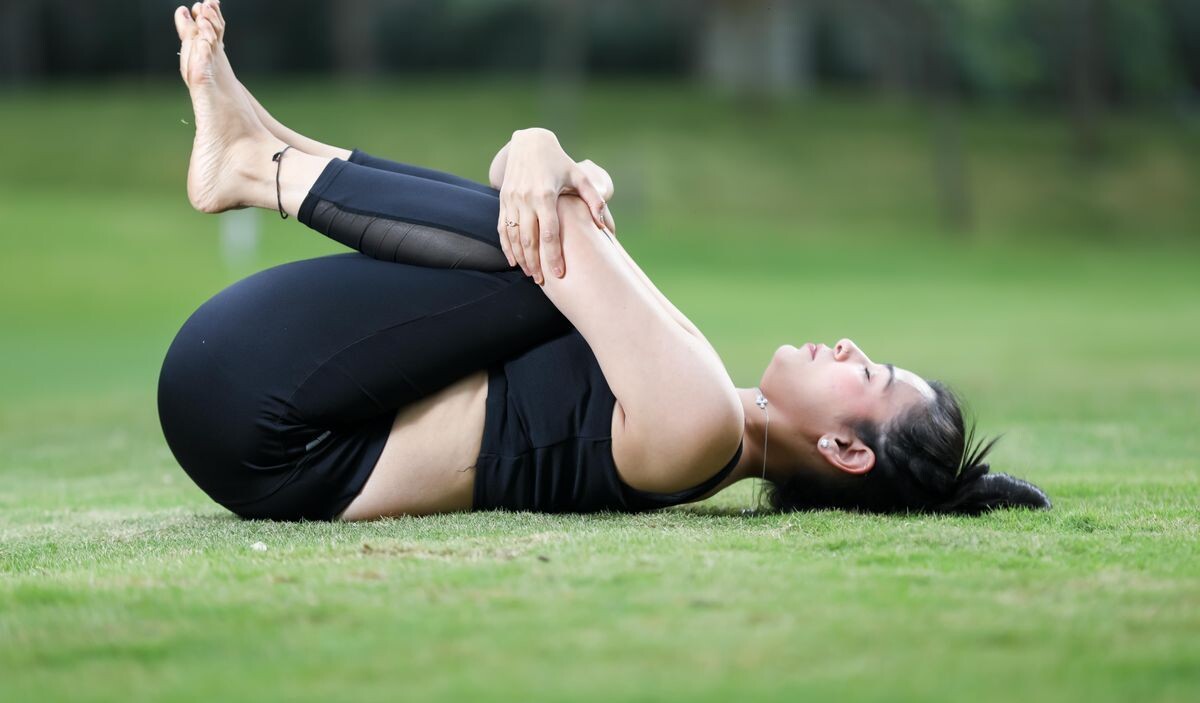
A supported bridge, lying on your back with knees bent and gently lifting the hips, strengthens the glutes and back of the legs, which share the load with the lower back, and a gentle knee-to-chest stretch can ease tightness in the hips and lower back for many people.
Poses to Approach With Care
Deep forward folds with straight legs, especially when done quickly or from a standing position, can place significant strain on the lower back and the hamstring attachments, so keeping the knees bent and hinging from the hips protects the spine and is a perfectly legitimate way to practise.
Strong twists, deep backbends, and any pose that requires forcing a position are best avoided or modified while pain is present. A good general rule is that a stretching sensation is acceptable, while sharp, shooting, or worsening pain is a signal to ease off immediately.
Also Read: Restorative Yoga: The Art of Doing Less
When Back Pain Needs a Doctor, Not a Yoga Mat
Most back pain is not caused by anything serious and improves over time, but certain symptoms warrant prompt medical attention before any exercise programme — numbness or weakness in a leg, loss of bladder or bowel control, numbness around the groin, unexplained weight loss, fever, or pain following a significant fall or injury.
If you have ongoing pain, a known spinal condition such as a disc problem or osteoporosis, or you’re unsure what’s causing your pain, speaking with a doctor or physiotherapist first is sensible, and many yoga teachers experienced with back pain will happily adapt a practice around medical advice.
Building Strength Around the Spine
A back that hurts often has weak or underused support around it, particularly in the abdominal muscles, glutes, and the deep muscles along the spine. Gentle strengthening poses, such as a modified plank on the knees or a bird-dog, where you extend the opposite arm and leg from hands and knees, build this support without loading the spine heavily.
Progress slowly and keep the movements small and controlled. Holding for a few breaths and repeating a few times is plenty to start with, and the aim is steady, comfortable improvement rather than testing how long you can hold a position.
Also Read: Building Core Strength Beyond Sit-Ups
Everyday Habits That Support Your Practice
Yoga is more effective when the rest of the day supports it. Breaking up long periods of sitting with short walks or stretches, adjusting your workstation so your screen and chair support a neutral posture, and staying generally active all help keep a sore back from stiffening.
Sleep position and stress levels also play a part, since tension tends to collect in the shoulders and lower back. Even a few minutes of slow breathing during the day can help release the guarding that many people with back pain develop without noticing.
Back-Friendly Yoga Movements and Cautions
| Movement | Helpful For | Care Needed |
|---|---|---|
| Cat-cow | Gentle spinal mobility | Keep range small and pain-free |
| Child’s pose | Resting the lower back and hips | Use support under hips or torso if needed |
| Supported bridge | Strengthening glutes and hamstrings | Lift only to a comfortable height |
| Straight-leg forward fold | Hamstring flexibility | Bend the knees and hinge from the hips |
| Deep twists and backbends | Mobility | Avoid or modify while pain is present |
Key Takeaways
- Clinical trials show yoga can modestly reduce chronic low back pain and improve function, with effects similar to other exercise therapy.
- Yoga addresses stiffness, weakness, fear of movement, and tension together, which may explain part of its benefit.
- Cat-cow, child’s pose, and supported bridge are gentle starting points when practised slowly and within pain-free limits.
- Deep straight-leg folds, strong twists, and deep backbends are best modified or avoided while pain is present.
- Numbness, weakness, bladder or bowel changes, fever, or pain after an injury need medical assessment before exercising.
Conclusion
Yoga can be a genuinely useful part of managing chronic low back pain, particularly when it’s gentle, consistent, and adapted to how your body feels on a given day. It works best as one piece of a broader approach that may include walking, strengthening, and medical or physiotherapy advice where needed. Moving slowly, avoiding pain rather than pushing through it, and getting checked for warning signs gives you the benefits while keeping the risks low.
Frequently Asked Questions
Is yoga good for lower back pain?
Research suggests yoga can modestly reduce chronic low back pain and improve function, with benefits similar to other structured exercise, though it isn’t a cure and should be practised gently and within pain-free limits.
How often should I practise yoga for back pain?
Many studies used sessions two to three times weekly over eight to twelve weeks, but shorter, more frequent gentle sessions can also work, and consistency matters more than intensity.
Which yoga poses should I avoid with back pain?
Deep straight-leg forward folds, strong twists, and deep backbends are best modified or avoided while pain is present, and any pose that causes sharp or worsening pain should be stopped.
Can yoga make back pain worse?
Yes, if poses are forced, done too quickly, or unsuitable for your condition, so moving slowly, modifying poses, and stopping if pain increases helps keep practice safe.
When should I see a doctor instead of trying yoga?
Numbness or weakness in a leg, loss of bladder or bowel control, fever, unexplained weight loss, or pain following an injury or fall warrant medical assessment before any exercise programme.
Can yoga strengthen the muscles that support my back?
Gentle poses such as a modified plank, bird-dog, and supported bridge build strength in the abdominal muscles, glutes, and back, which share the load with the spine, provided they’re done slowly and within comfortable limits.
Does posture during the day affect how well yoga helps?
Yes, breaking up long periods of sitting, adjusting your workstation, and staying active support your practice, while prolonged stiffness can undo some of the benefit.